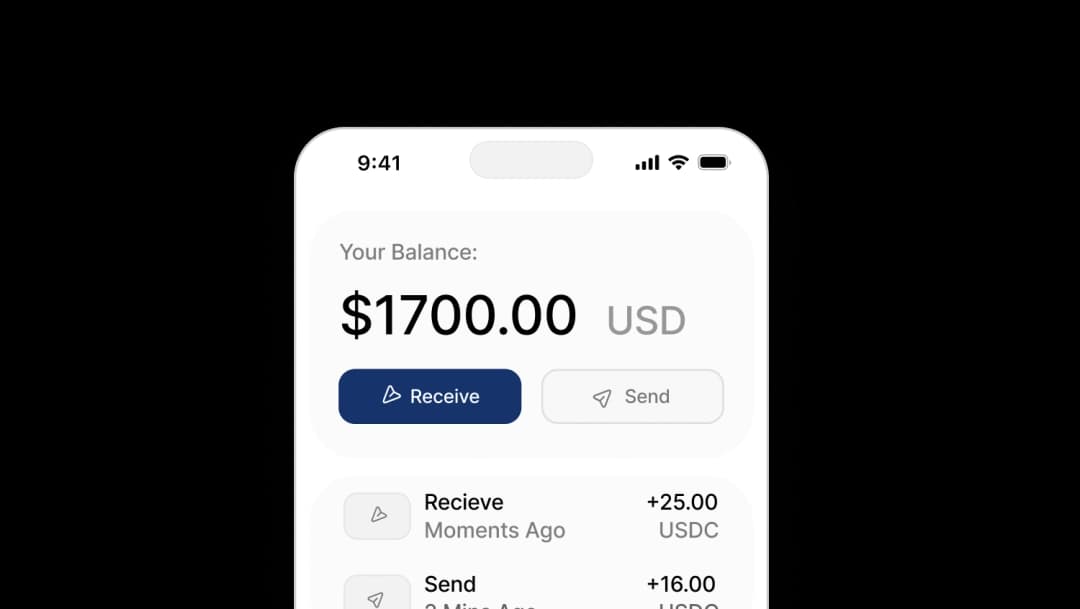
In-app purchases (IAP) are a core part of mobile gaming, but integrating them with onchain assets requires navigating strict policies from Apple and Google. This guide explains how to bridge traditional payment systems with blockchain wallets while remaining compliant with store rules.
See how Openfort powers Web3 gaming with embedded wallets, gas sponsorship, and session keys.
What is Onchain In-App Purchase (IAP)?
Onchain IAP is the process of selling digital assets, like NFTs or tokens, within a mobile app using the platform's native payment system. To stay on the App Store or Google Play, developers must use the standard in-app purchase flow for most transactions, which often involves a commission. Openfort helps studios manage this by bridging the gap between a player's app store purchase and the delivery of an onchain asset to their smart wallet.
Understanding Platform Policies for IAP in Onchain Games
Apple App Store IAP Policies for Onchain Games
- NFT Sales and Transactions: Apple permits developers to list, mint, transfer, and view NFTs within apps, as long as these actions do not unlock additional features or functionality.
- Mandatory In-App Purchase System: All NFT transactions must go through Apple's in-app payment system, which subjects them to Apple's standard commission.
- NFT Verification Requirements: Apple requires comprehensive details regarding NFTs, including their origin, ownership, and provenance, for listing on the App Store.
- Restrictions on External Links: Apps cannot include links or calls to action that direct users to purchase NFTs outside of the Apple in-app payment system.
Google Play Store IAP Policies for Web3 Games
- NFT Integration: Google allows the integration of NFTs into apps but mandates full transparency about the nature of tokenized digital assets.
- Transparency and Compliance: Developers must clearly communicate the risks and details surrounding NFTs and are prohibited from promoting potential earnings from tokens.
- Adherence to Gambling Policies: Google Play enforces compliance with its Real-Money Gambling, Games, and Contests policy, ensuring that games with tokenized assets follow strict guidelines.
Fee Structures for IAP
- Apple: Apple charges a 30% commission on all NFT sales made through its in-app purchase system, regardless of the developer's revenue.
- Google: Google Play also applies a tiered fee structure, taking a 30% cut from developers earning over $1 million annually and a 15% fee from those making less than $1 million.
Case Study: How STEPN Manages IAP
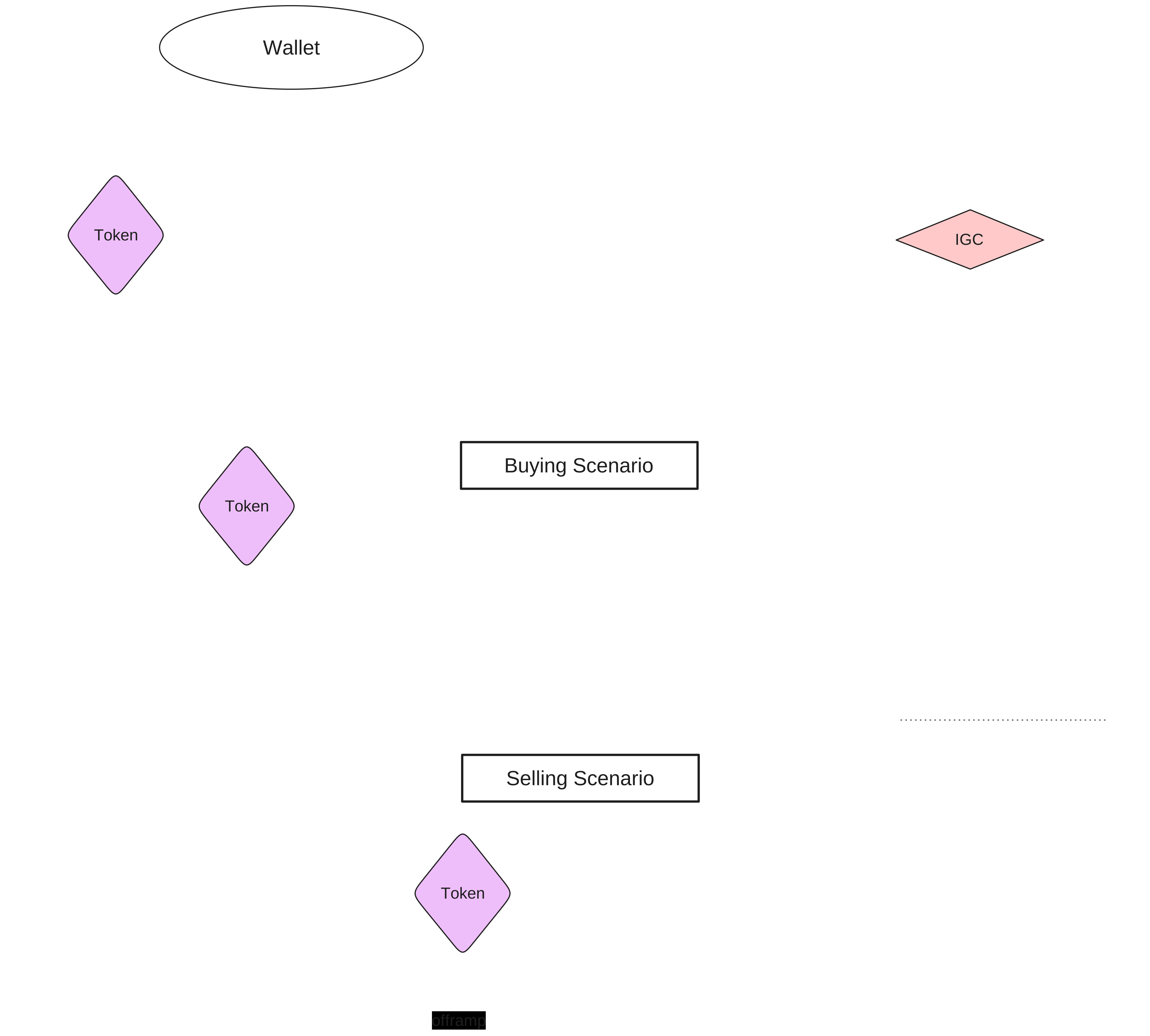
STEPN, an onchain game, offers an excellent example of how to navigate IAPs within a blockchain-based mobile game. The game uses multiple in-game currencies, including two ERC-20 tokens and a third in-game currency specifically for iOS:
- Sparks: A soft currency available only through Apple Pay.
- $GMT: The primary token for unlocking features and leveling up.
- $GST: The secondary token for speeding up unlocks.
Here’s how the IAP process works on iOS:
- Players purchase Sparks using Apple Pay.
- They use Sparks to buy sneaker NFTs, which are priced 30% higher than market value to cover Apple's commission. The primary marketplace is on Magic Eden, where items are priced in SOL.
- Players can optionally send $GMT, $GST, SOL, or USDC into the in-app wallet to use for unlocks and leveling up.
- Players can list their sneaker NFT for sale.
- If the NFT sells, players receive $GMT as the transaction currency.
- Players can then swap currencies within the app and transfer funds to an external wallet.
STEPN has streamlined its IAP system, allowing users to transact easily across different currencies while maintaining compliance with Apple's policies. It also separates in-game and non-custodial wallets, giving users full ownership of their assets.
Integrating IAP in your games using Unity
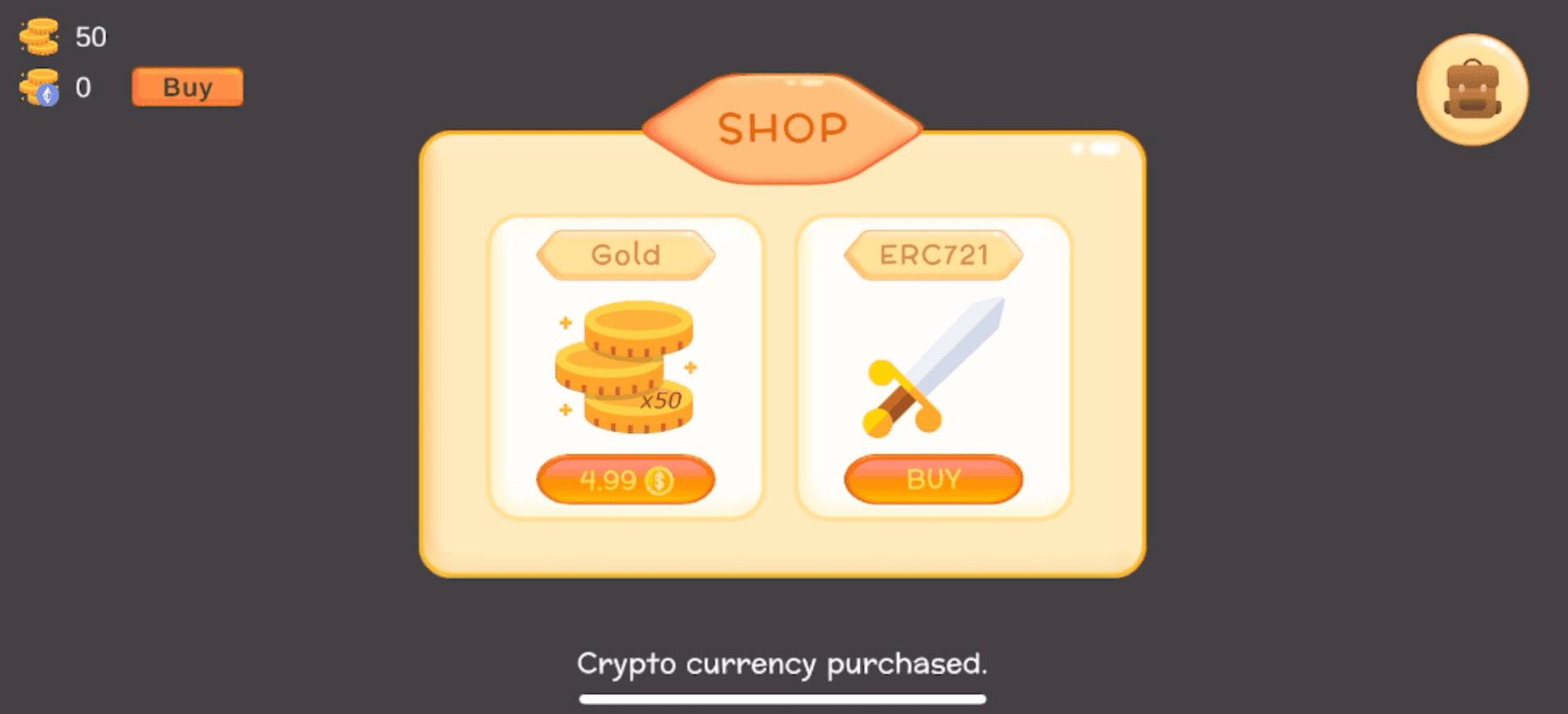
At Openfort, we provide two comprehensive guides for integrating Unity IAP with both Android and iOS platforms. These resources are designed to help developers navigate platform policies while maintaining onchain functionality.
Note: Both Apple and Google frequently update their policies, so be sure to stay informed and adapt accordingly. If you have any questions, feel free to reach out to us.