DeFi trading where security never slows execution
The wallet API for DEXs, perps, and prediction markets. Non-custodial keys, sub-100ms signing, and session keys for one-click trades — on EVM and Solana.
No credit card required • Free testnet accounts





Non-custodial keys. Sub-100ms signing.
Key material is sharded across secure enclaves — no single party ever holds a full key. Median signing stays under 100 ms, so self-custody never costs your users a fill.
One API for Ethereum, Solana, and more.
One integration covers Ethereum, major L2s, and Solana. Users see a single balance, deposits arrive from any chain or exchange, and funds settle where your market runs.


 ETH → USDCFilledSOL → USDCFilledARB → ETHFilled
Fewer popups. Fewer reverts. Lower gas.
Session keys let users approve once and trade without signing popups. Batching bundles approve-and-swap into one transaction, and sponsored gas means no order dies for lack of ETH.
Scale 2x further for the same cost
Openfort runs at half the cost per operation of any other wallet provider. Pricing is operation-based — you pay for what you use, with no volume caps or gated features.
- 1M+
- wallets created
- 10M+
- transactions
- <200ms
- signing speed
- 99.99%
- uptime
“We are onboarding and rewarding users through our first global wallet, planning a much bigger expansion.”
Kroma
Optimistic L2
The complete wallet and payment stack
Gas sponsorship
ERC20 and native sponsorship with policies to customize exactly when and how you subsidize gas. Read more
Unified dashboard
See all your users, wallets and transactions under one roof with our unified dashboard. Read more
Self-hostable key solution
Self-host OpenSigner, OSS wallet key management for full control over your key infrastructure. Read more
Learn more about DeFi infrastructure
Explore guides on building secure, high-performance DeFi applications
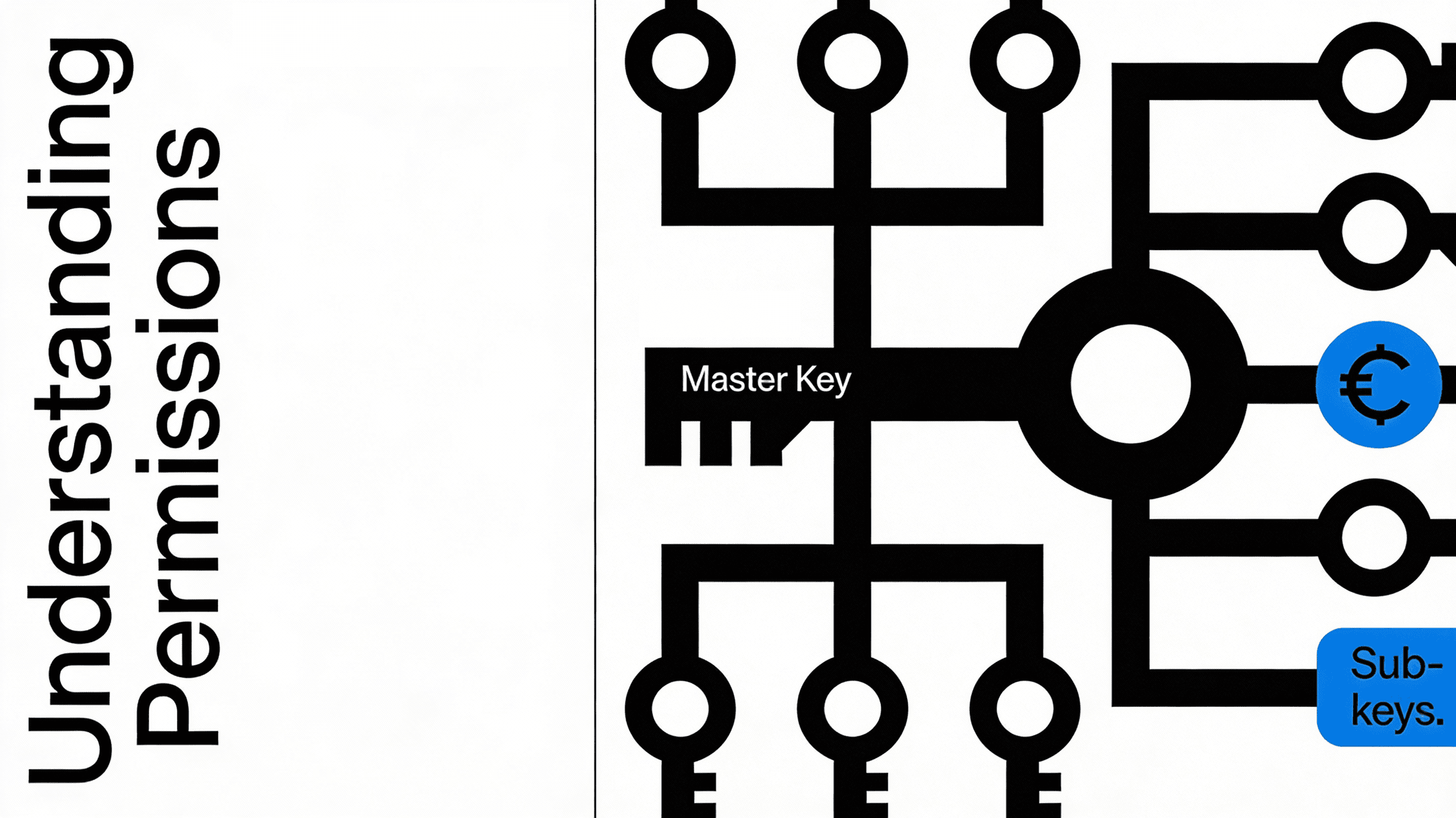
Technical Dive: Key Permissions for Accounts
Granular access control with spending limits and contract whitelists — the primitive behind one-click trading.
Support for Synchronous SendTransaction
EIP-7966 support: one-call transaction status — receipt, pending, or error — with no polling.
2D Nonce: Transaction Parallelization
Execute multiple transactions in parallel without nonce collisions — built for high-frequency flows.
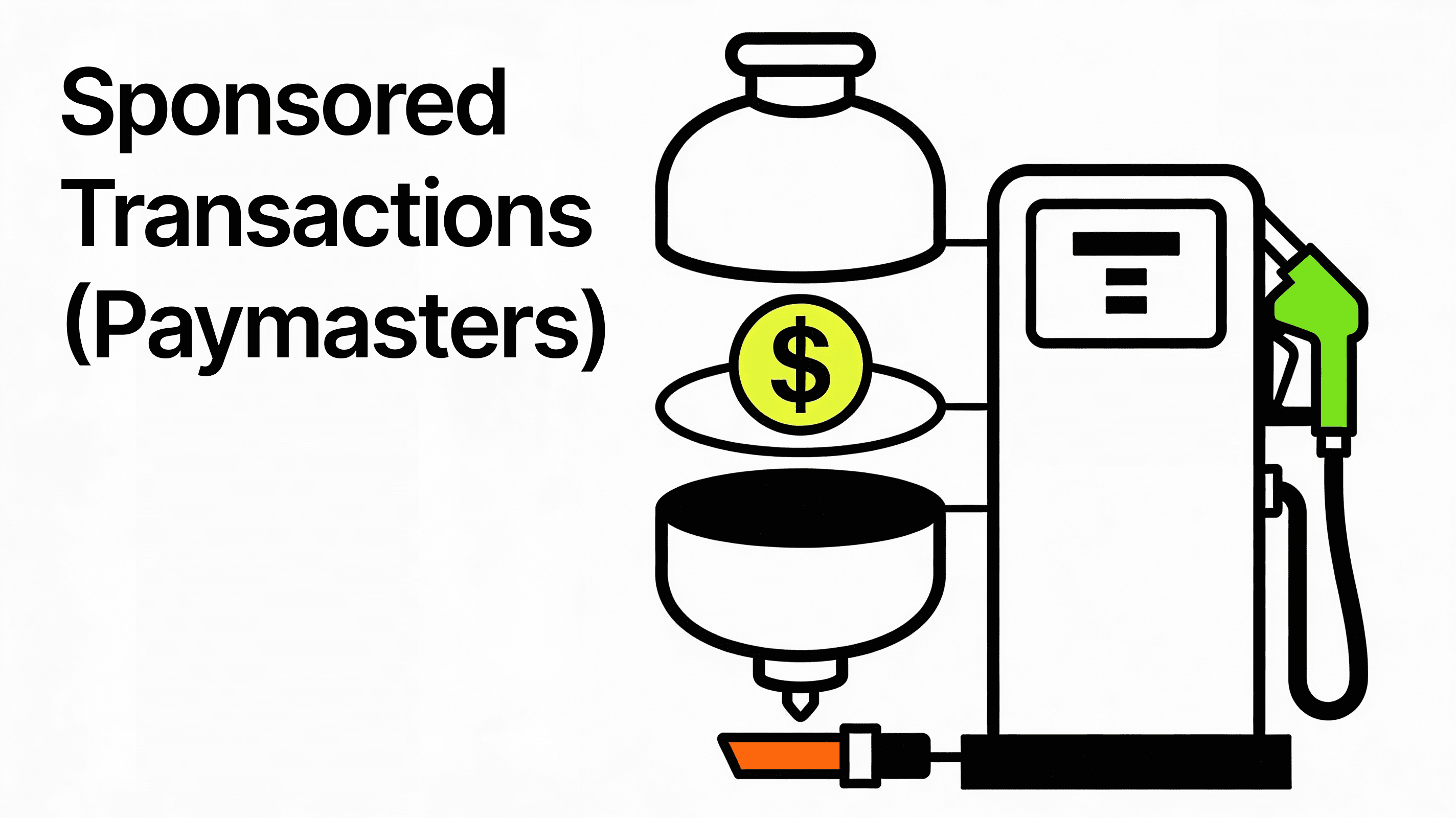
Technical Dive: Gas Sponsorship via Paymasters
How paymasters enable gas sponsorship: verifying and ERC-20 modes, plus the onchain validation lifecycle.

Prediction Markets for Builders: Make Belief Tradable
How prediction markets work, key design choices around liquidity and resolution, and where embedded wallets fit.
Earn Yield with Embedded Wallets
Implementing yield strategies on embedded wallet infrastructure without giving up user control.
Frequently Asked Questions
Can't find your answer?
A DeFi wallet lets users hold assets and sign trades across protocols and chains. With Openfort, the wallet is embedded in your app: users sign in with email, social, or passkeys, keys stay non-custodial through key sharding, and signing stays under 100 ms.
Yes. The SDK drops into React, React Native, and plain JavaScript, and server-side APIs cover backend signing. Wallet creation, session keys, gas sponsorship, and transaction policies come from one integration.
Use paymasters to sponsor gas — in native tokens or ERC-20s like USDC — and batch multi-step trades such as approve-and-swap into one transaction. Users trade without holding ETH, and policies control exactly what you subsidize.
Yes. One integration covers Ethereum, major Layer 2s, and Solana, and deposits route in from any chain or exchange to the chain your app runs on.
Yes. Session keys let users pre-approve trading within limits, so you can build one-click trading, automated strategies, and server-side execution — all scoped by spend limits and contract allowlists, without taking custody.
Keys are sharded so no single party — including Openfort — ever holds a full key, and signing runs inside secure enclaves. OpenSigner, the key-management layer, is open source and self-hostable if you want it on your own infrastructure.