Gasless, one-click transactions — no gas prompts
Native ERC-4337 and EIP-7702 smart accounts with built-in paymasters, session keys, and a contract-level policy engine. Sponsor gas in any token across EVM and Solana.
No credit card required • Free testnet accounts











Network fee
Fee sponsorship across Ethereum and Solana
Sponsor transaction fees for your users on any supported chain. Openfort paymasters handle gas sponsorship on Ethereum and fee sponsorship on Solana—users interact with your app without ever holding native tokens.
ERC-4337 bundler and transaction relayer
Openfort runs its own ERC-4337 bundler at api.openfort.io/rpc/{chainId}, serving eth_sendUserOperation, eth_estimateUserOperationGas, eth_getUserOperationReceipt, eth_getUserOperationByHash and eth_supportedEntryPoints. The same endpoint serves the paymaster. The transaction relayer handles nonce management, gas estimation, and resubmission so your backend can fire-and-forget.
1 Bundle
relayed
The stack, named
Openfort runs its own ERC-4337 bundler and its own paymasters rather than reselling someone else's. Below is what that means concretely: the endpoint, the EntryPoint versions, the account types and what each one enables. Every value is published in the supported chains and entity addresses documentation.
Infrastructure
| Component | What Openfort runs |
|---|---|
| Bundler | Operated by Openfort at api.openfort.io/rpc/{chainId}. Methods: eth_sendUserOperation, eth_estimateUserOperationGas, eth_getUserOperationReceipt, eth_getUserOperationByHash, eth_supportedEntryPoints. |
| Paymaster | Operated by Openfort, served from the same endpoint as the bundler. Paymaster addresses are published per chain and per EntryPoint version. External paymasters can be registered and linked to a policy. |
| EntryPoint versions | v0.6 (0x5FF137D4b0FDCD49DcA30c7CF57E578a026d2789), v0.8 (0x4337084D9E255Ff0702461CF8895CE9E3b5Ff108) and v0.9 (0x433709009B8330FDa32311DF1C2AFA402eD8D009). Delegated accounts require v0.8 or v0.9. |
| EIP-7702 chains | Arbitrum One, Base, BNB, Ethereum, Optimism and Polygon POS carry delegated accounts. The per-chain matrix is published in the docs. |
| Gas sponsorship | App pays, billed to your project balance, or user pays in an ERC-20 on EVM chains or an SPL token on Solana. Both modes are gated by the policy engine: contract, function selector, value cap, chain and recipient allowlist. |
| Contract addresses | Factory, account implementation and paymaster addresses are published per chain for every supported account type — Calibur, Upgradeable, Managed and others — each with its EntryPoint version. |
Account types
You pick the account type when the wallet is created. The type decides which account abstraction features the wallet has.
| Account type | Standard | What it enables |
|---|---|---|
| EOA | Standard externally owned account | Same address on every EVM chain, including custom ones. No onchain deployment. The user pays their own gas. No batching, no session keys. |
| Smart account | ERC-4337 | Gas sponsorship, transaction batching and session keys. Deployed onchain on first use. Key rotation supported. Available on every EVM chain Openfort supports. |
| Delegated account | EIP-7702 | Gas sponsorship, transaction batching and session keys on an existing EOA — same address, no permanent deployment. Key rotation is not supported under 7702. Requires a chain running EntryPoint v0.8 or v0.9. |
| Solana EOA | Ed25519 keypair | Fee sponsorship through a Kora fee-payer relayer rather than a paymaster. Smart accounts and delegated accounts are EVM-only. |
How this compares to Alchemy, Biconomy, Pimlico, Privy, Safe, Thirdweb and ZeroDev — including which of them publish a 7702 chain list — is in best account abstraction providers.
Everything you need to go gasless
Full-stack infrastructure for ERC-4337 and EIP-7702 with gas sponsorship and session keys.
Gas Sponsorship
Sponsor gas for your users with configurable policies. Users never need to hold native tokens.
Transaction Batching
Combine multiple operations into a single transaction for better UX and lower costs.
Permissions
Grant temporary, scoped permissions to eliminate signing popups during gameplay or app usage.
Smart Accounts
Programmable accounts with in Ethereum and Solana for advanced features like social recovery.
Nonce management
Manage nonces for your wallets automatically.
Multisig and social recovery
Manage multisig and social recovery for your wallets.
- 1M+
- wallets created
- 10M+
- transactions
- <200ms
- signing speed
- 99.99%
- uptime
From developers that use Openfort
"Game studio reaches 150K players with gasless transactions"
From launch to 150,000 active players using session keys for in-game transactions without signing popups.

Moonlit Games
"GFAL increases marketplace engagement by 3x with gas sponsorship"
Sponsored gas for all marketplace transactions simplified the user experience and drove 3x more engagement.

GFAL
"Gaimin uses smart accounts for best-in-class UX"
Openfort smart wallets have been instrumental to offer gasless transactions and batched operations to their users.

Gaimin
"Game studio reaches 150K players with gasless transactions"
From launch to 150,000 active players using session keys for in-game transactions without signing popups.
Moonlit Games
"GFAL increases marketplace engagement by 3x with gas sponsorship"
Sponsored gas for all marketplace transactions simplified the user experience and drove 3x more engagement.
GFAL
"Gaimin uses smart accounts for best-in-class UX"
Openfort smart wallets have been instrumental to offer gasless transactions and batched operations to their users.
Gaimin
Integrate relayers and fee sponsorship in minutes
Multi-platform SDKs
React, React Native, Unity, and server-side SDKs for any platform.
Dedicated Support
Work directly with our engineering team to ship your AA integration.
Flexible Architecture
Use our hosted infrastructure or self-host with OpenSigner for full control.
Learn more about account abstraction
Technical guides on ERC-4337, smart accounts, gas sponsorship, and session keys
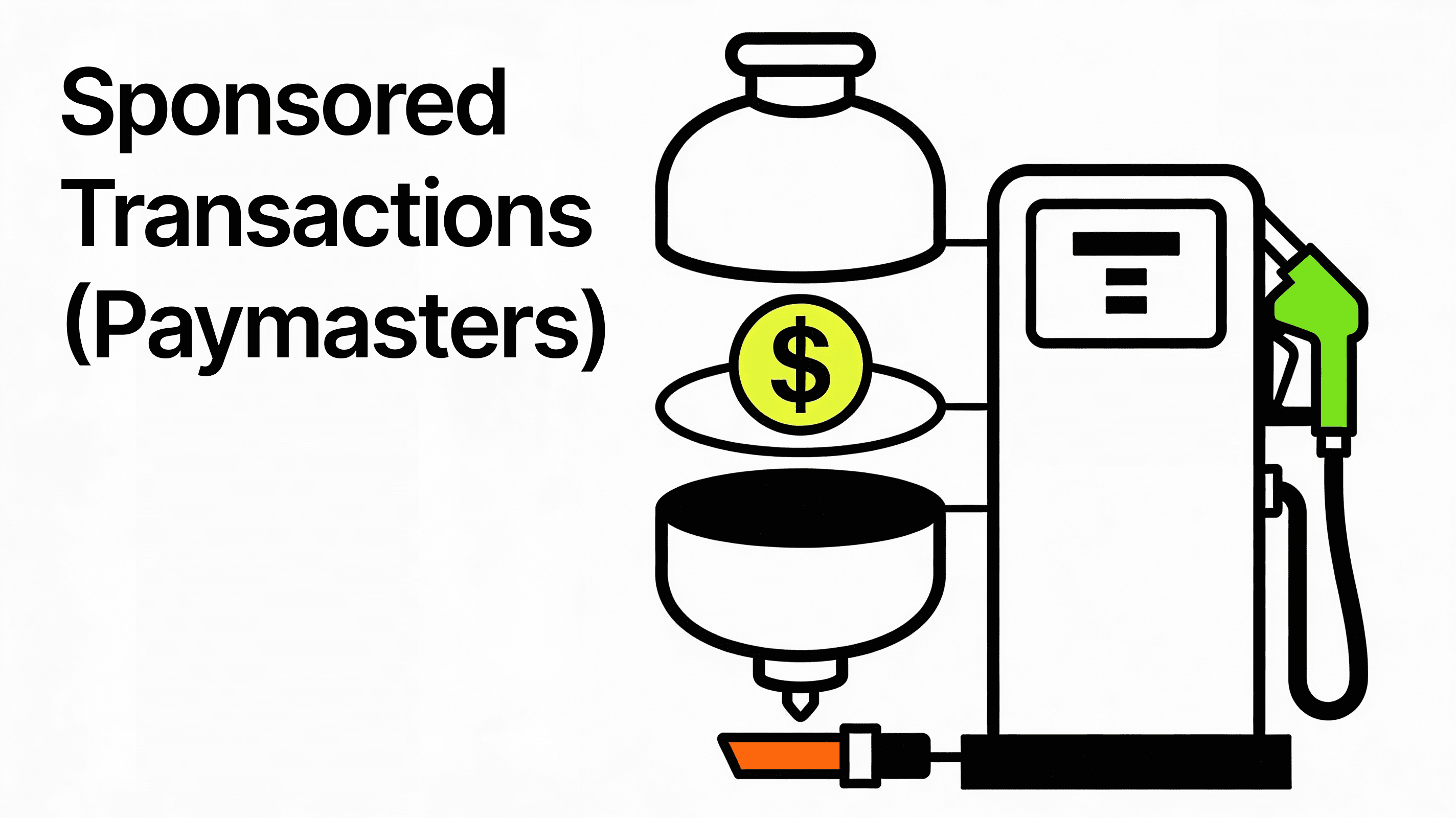
Technical Dive: Gas Sponsorship via Paymasters
Deep dive into ERC-4337 paymasters: how gasless transactions work, off-chain vs. on-chain paymaster logic, and sponsorship policies.
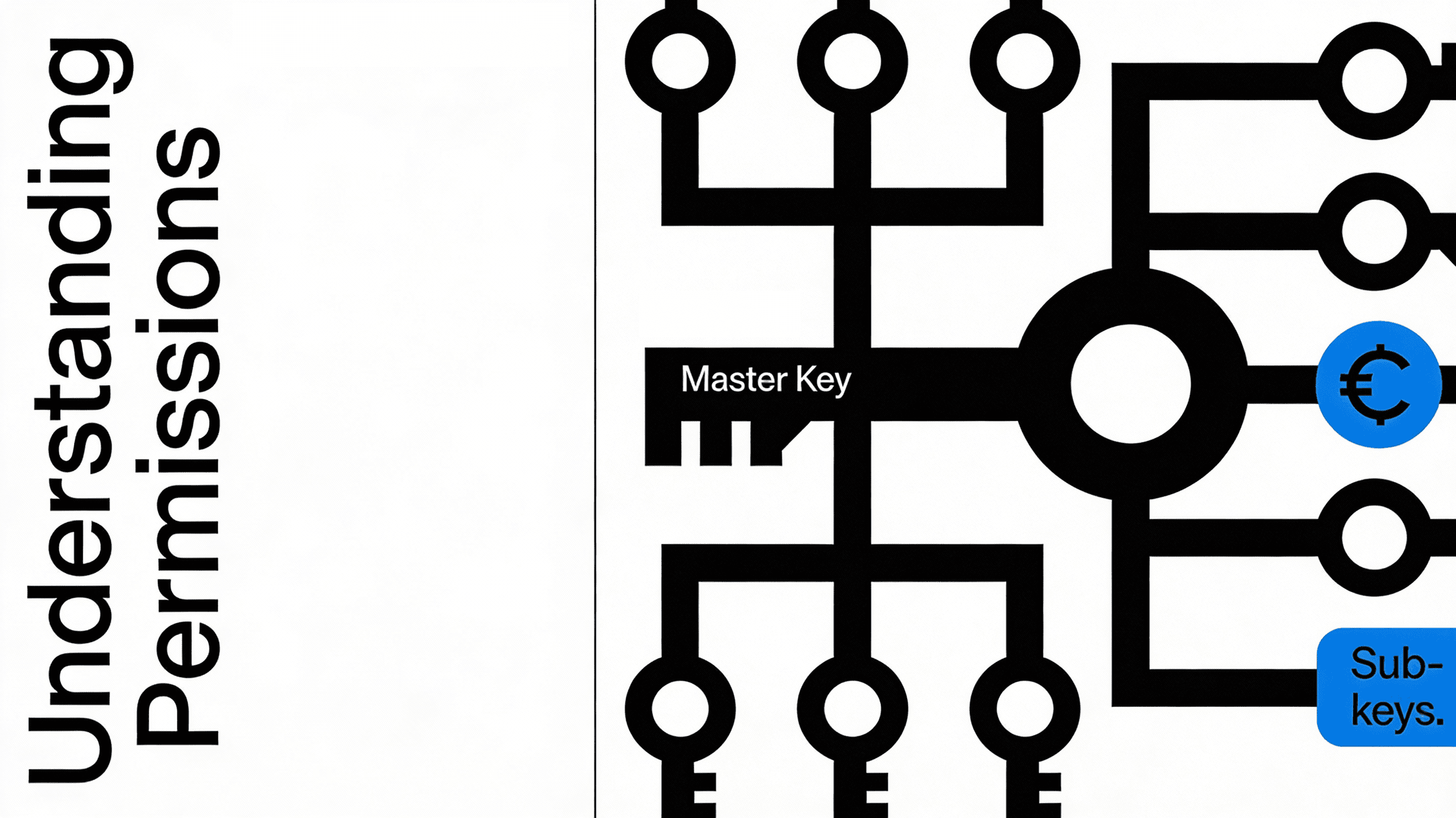
Technical Dive: Key Permissions for Accounts
Comprehensive guide to onchain and offchain permission systems for smart accounts: spending limits, contract whitelisting, and session keys.
EOA vs Smart Wallets in 2026: What Builders Need to Know
Breakdown of EOAs vs. smart wallets vs. Smart EOAs (EIP-7702), covering gas abstraction, social recovery, and deployment costs.
Parallelizable Paymasters in EntryPoint v0.9
Technical breakdown of EntryPoint v0.9: async paymaster signing, ERC-20 gas sponsorship, and parallel transaction processing.
Understanding Native Account Abstraction in RIP-7560
How RIP-7560 integrates account abstraction directly into Ethereum L2 protocol, making smart contract wallets first-class citizens.
EIP-3074 to EIP-7702: Advancing Ethereum Account Abstraction
The evolution from EIP-3074 to EIP-7702, explaining how EOAs can temporarily act as smart contracts for enhanced flexibility.
Frequently Asked Questions
Can't find your answer?
Account abstraction (ERC-4337) replaces traditional externally owned accounts (EOAs) with programmable smart accounts. This enables fee sponsorship (users don't need native tokens), session keys (no signing popups), transaction batching (multiple operations in one click), and social recovery. Openfort provides the full infrastructure—smart accounts, 4337 bundler, transaction relayer, and paymaster—so you can build Web3 apps that feel like Web2.
ERC-4337 introduces smart accounts as a new account type with a separate mempool and bundler infrastructure. EIP-7702 (formerly EIP-3074) lets existing EOAs temporarily delegate to smart contract code, getting AA features without deploying a new account or migrating assets. Openfort supports both standards, so you can choose the right approach for your users—new smart accounts for new users, or EIP-7702 upgrades for existing wallet holders.
Openfort paymasters let you sponsor transaction fees for your users on both Ethereum and Solana. On EVM chains, the paymaster handles gas sponsorship so users never need ETH. On Solana, fee sponsorship covers transaction fees natively. You can configure policies to sponsor all transactions, restrict to specific contracts, set daily/monthly limits per user, or require users to pay in ERC-20 tokens.
Session keys are temporary, scoped permissions granted to your app. Instead of asking users to sign every transaction, you request a session key upfront with specific limits (e.g., "play this game for 24 hours, max 100 transactions, only these contracts"). Your app then uses the session key to submit transactions on behalf of the user within those bounds—no more popups interrupting gameplay or purchases.
Yes, in two ways. First, Openfort smart accounts can be controlled by an EOA signer, so MetaMask users sign transactions that the smart account executes (getting gas sponsorship and batching). Second, with EIP-7702 support, EOAs can directly opt-in to smart account features without changing addresses. This lets you serve both embedded wallet users and existing wallet holders with the same AA infrastructure.
Smart accounts, the 4337 bundler and gas sponsorship run on every supported EVM chain: Arbitrum Nova, Arbitrum One, Avalanche, Base, Beam, BNB, Ethereum, KL1 Blanche, Optimism and Polygon POS. Delegated accounts (EIP-7702) additionally require a chain running the latest EntryPoint, which today means Arbitrum One, Base, BNB, Ethereum, Optimism and Polygon POS. On Solana, wallets are EOAs and fees are sponsored through a Kora fee-payer relayer rather than a paymaster. The per-chain matrix is published at openfort.io/docs/configuration/chains.
Openfort publishes paymaster addresses for EntryPoint v0.6 (0x5FF137D4b0FDCD49DcA30c7CF57E578a026d2789), v0.8 (0x4337084D9E255Ff0702461CF8895CE9E3b5Ff108) and v0.9 (0x433709009B8330FDa32311DF1C2AFA402eD8D009). Each supported smart account implementation lists the EntryPoint version it targets. Delegated accounts under EIP-7702 require v0.8 or v0.9. Factory, implementation and paymaster addresses for every chain are published at openfort.io/docs/configuration/addresses.
Yes. The Openfort 4337 bundler is reachable at api.openfort.io/rpc/{chainId} with a publishable key in the Authorization header, and the same endpoint serves the paymaster — so one URL covers both in a viem createBundlerClient and createPaymasterClient pair. You can also register an external paymaster and link it to a policy if you need custom sponsorship logic.