AI agent wallets with limits the model can't override
Give AI agents their own wallets. Spend limits, allowlists, and policy rules are checked before every signature, outside the model. Sub-200ms signing. Full audit trails.
No credit card required • Free testnet accounts






Programmable agent wallets with built-in guardrails
Policies are evaluated server-side on every signing request and fail closed, so a prompt-injected or misbehaving agent cannot sign outside the rules you set.
Read the docs→Agent wallets that pay and trade autonomously
Give AI agents their own wallets to buy, trade, and process payments autonomously over open standards like x402, AP2, ACP, and MPP. Enterprise security. Sub-200ms signing.
Read the docs→Ship agent wallets from prototype to production fast
Integrate agent wallets with LangChain, CrewAI, AutoGen, and more. SDKs, clear docs, and 24/7 support.
Read the docs→Scale 2x further for the same cost
Openfort runs at half the cost per operation of any other wallet provider. Pricing is operation-based — you pay for what you use, with no volume caps or gated features.
- 1M+
- wallets created
- 10M+
- transactions
- <200ms
- signing speed
- 99.99%
- uptime
“Openfort smart wallets have been instrumental to offer our own wallets to developers and increase our speed to market.”
Gaimin
DePIN gaming
The complete wallet and payment stack
Gas sponsorship
ERC20 and native sponsorship with policies to customize exactly when and how you subsidize gas. Read more
Unified dashboard
See all your users, wallets and transactions under one roof with our unified dashboard. Read more
Self-hostable key solution
Self-host OpenSigner, OSS wallet key management for full control over your key infrastructure. Read more
Learn more about agent wallets
Explore guides on building agent wallet infrastructure for autonomous AI operations

Best AI Agent Wallets for Developers in 2026, Compared
AI agent wallets compared on key storage, signing location, scoped keys, revocation, and pricing.
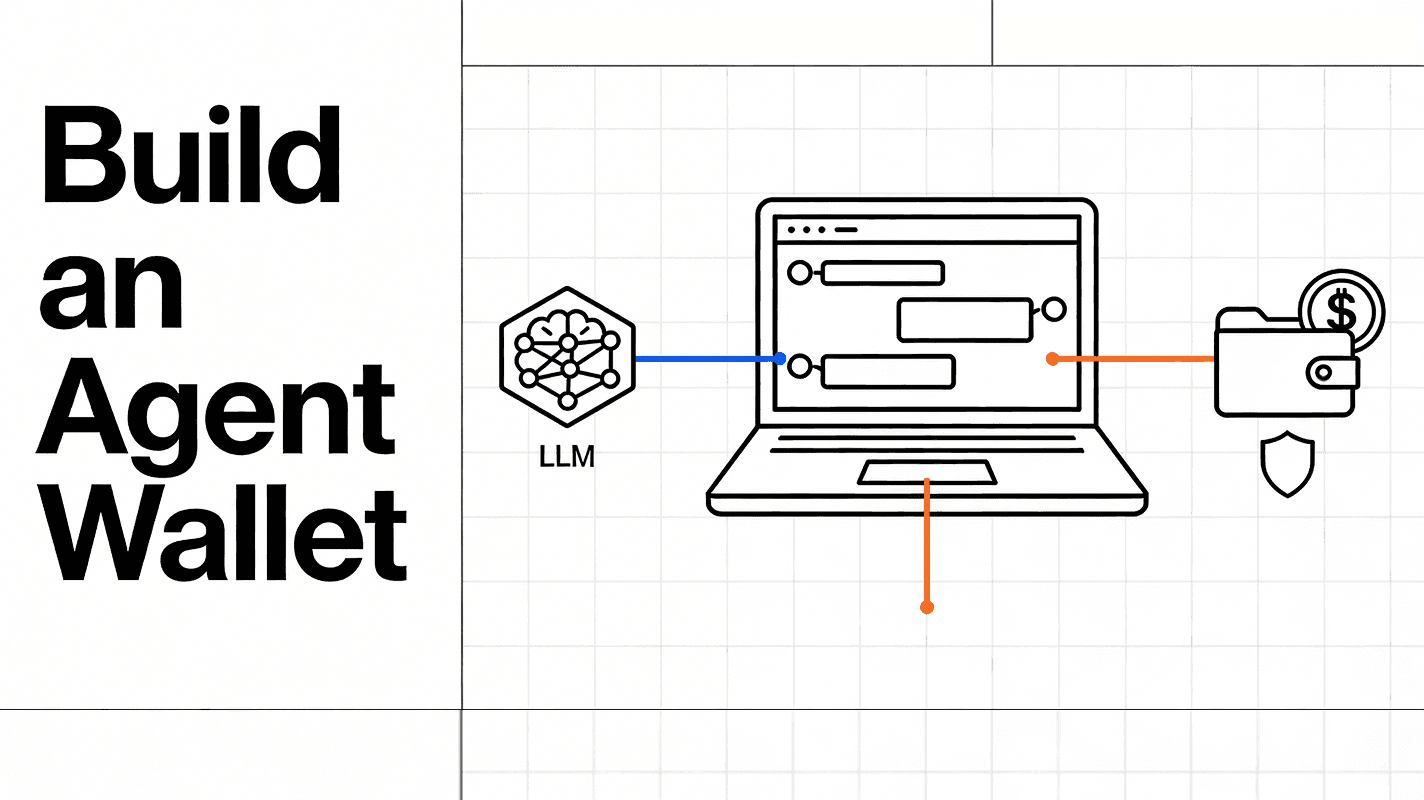
How to Build an Agent Wallet
Create a TEE-secured backend wallet and upgrade it with EIP-7702 delegation.
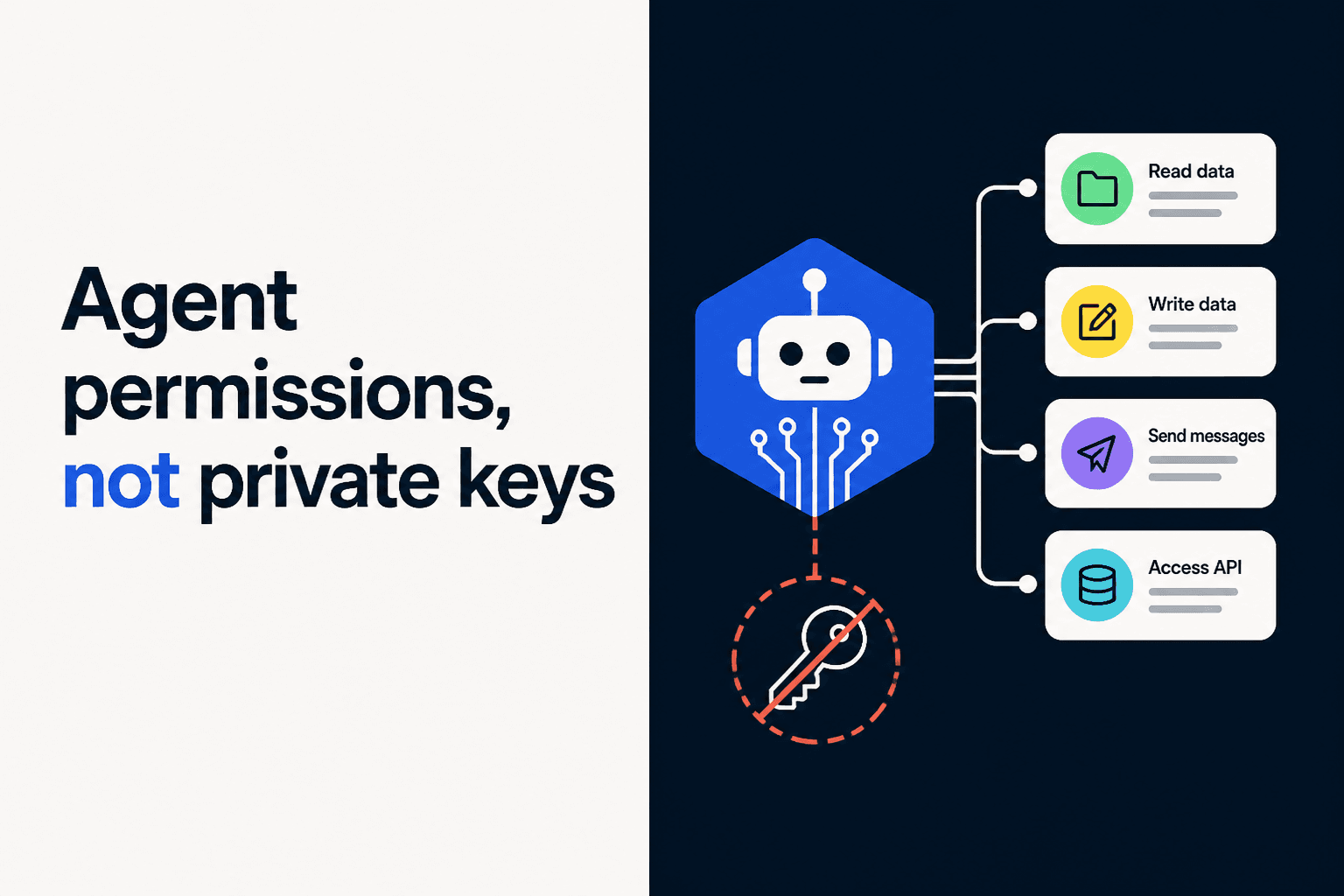
Agent Permissions: Scoped Access, Not Private Keys
Spending caps, contract allowlists, and time-boxed sessions that let agents sign inside guardrails.
Introducing Backend Wallets
Execute transactions and manage digital assets at scale from your server.

TEE Wallets for Server Actions
TEE-backed wallets designed for automated server-side flows.

The Rise of AI Agents: Reshaping Crypto Apps
Autonomous agents — from algorithmic trading to launching memecoins — are redefining how users interact onchain.
Frequently Asked Questions
Can't find your answer?
The term covers two products. An AI-powered wallet is a consumer wallet app with an assistant that explains or suggests transactions to a person. An AI agent wallet, also called an agentic wallet, is a wallet an autonomous agent controls itself, so the agent can pay, trade, or transact without a human approving each step. Openfort builds the second kind: wallets for AI agents, bounded by signing policies.
Because the model is the part you can't fully trust. A prompt injection, a hallucinated address, or a buggy tool call can all produce a valid-looking transaction. Openfort evaluates value limits, address allowlists, network restrictions, and calldata rules in the policy engine before the key signs, and rejects any operation no rule allows. The guardrail holds no matter which model or framework sits on top.
An agent wallet is a programmable, non-custodial wallet designed specifically for AI agents to execute autonomous transactions. Openfort agent wallets include built-in guardrails like spending limits, contract allowlists, and multi-party approvals — with full audit trails and real-time monitoring to ensure safe autonomous operations.
Openfort agent wallets use verifiable credentials based on W3C standards to prove an agent acts on behalf of a user or organization. This enables KYC compliance, authorized representation, and scoped permissions. Each agent wallet has policy controls that can be configured per-agent or per-organization.
Yes. Openfort agent wallets enable AI agents to buy, trade, and process payments autonomously. The merchant hub exposes inventory programmatically, enabling agent-to-merchant transactions and automated procurement without human intervention.
Agent wallets come with comprehensive controls including transaction limits, operation allowlists, anomaly detection, real-time alerts, multi-party approvals, and detailed audit logs. All controls are configurable via API and accessible through intuitive dashboards.
Agent wallet integration is quick using Openfort's REST APIs and SDKs. Works with LangChain, CrewAI, AutoGen, and other AI frameworks. You can create agent wallets, submit transactions, and execute purchases with a few API calls.
Yes. Openfort agent wallets work across 25+ EVM chains and support stablecoin-based settlement for fast, low-cost global transactions. The API abstracts blockchain complexity so your AI agents can operate across chains without exposing users to crypto UX.
Openfort agent wallets support the emerging agentic payment standards, including Coinbase's x402 (HTTP-native payments), Google's Agent Payments Protocol (AP2), the Agentic Commerce Protocol (ACP), and the Machine Payments Protocol (MPP). Agents can pay APIs, services, and other agents over these open standards with programmable, onchain guardrails.