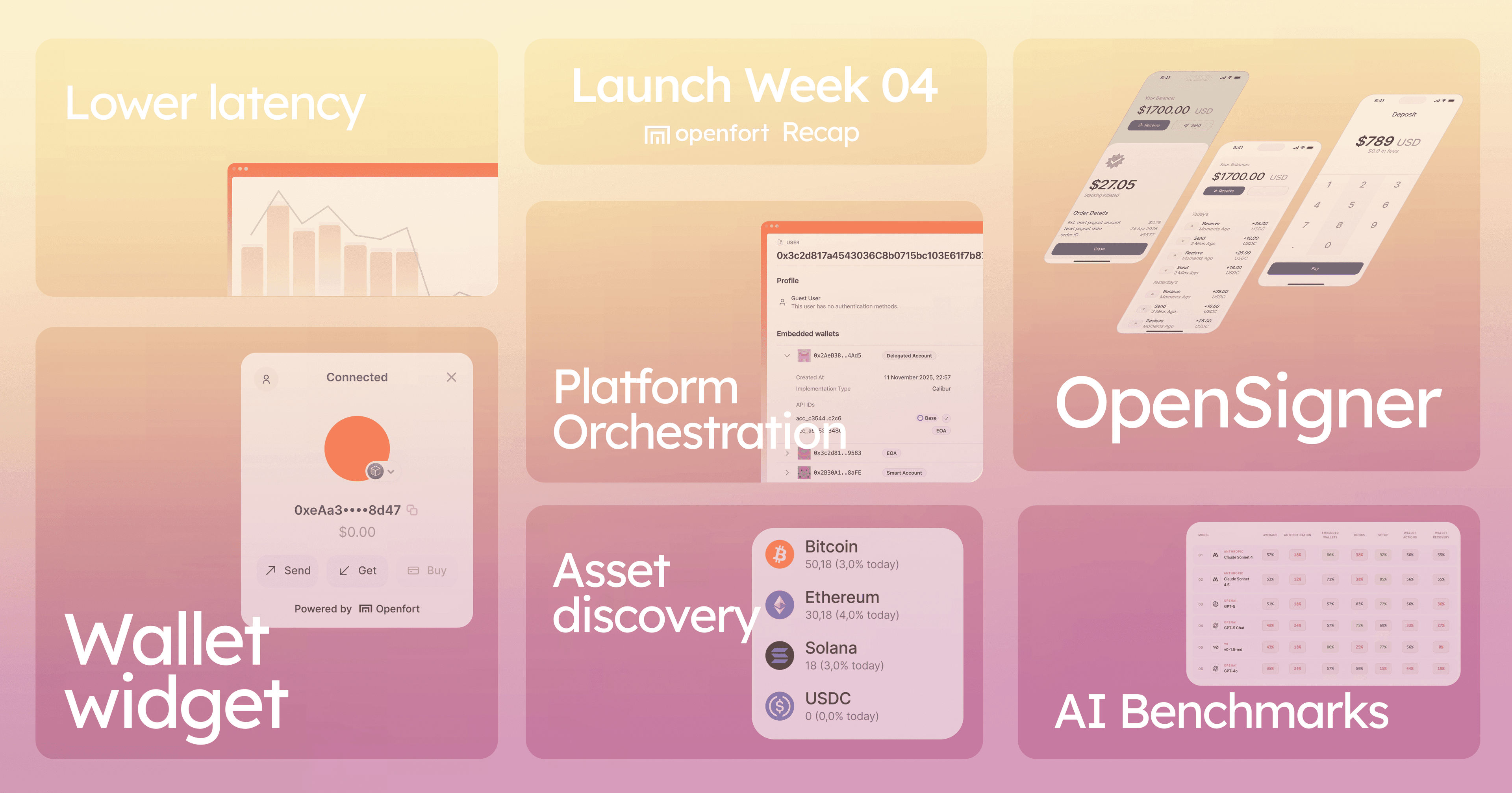
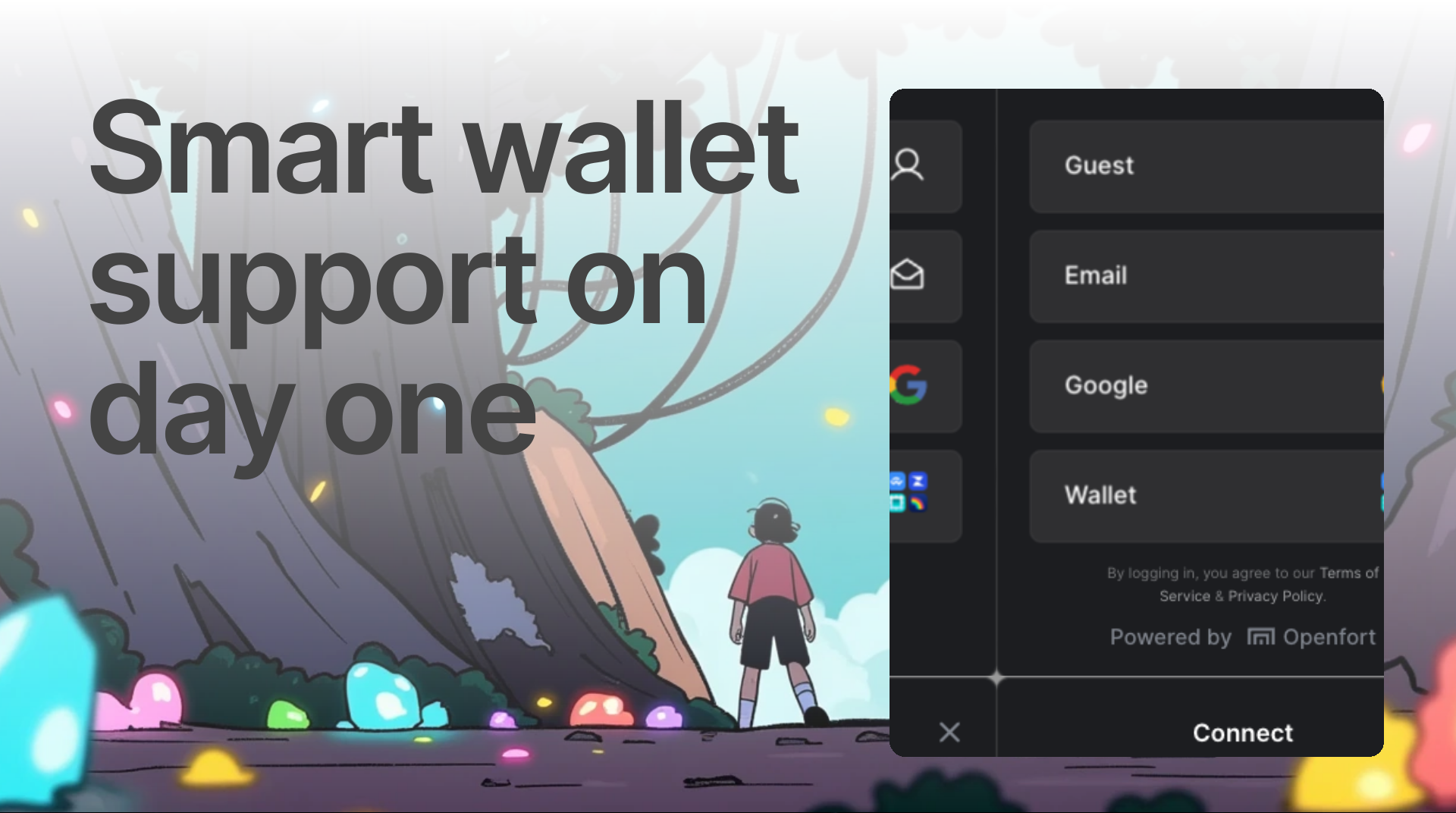
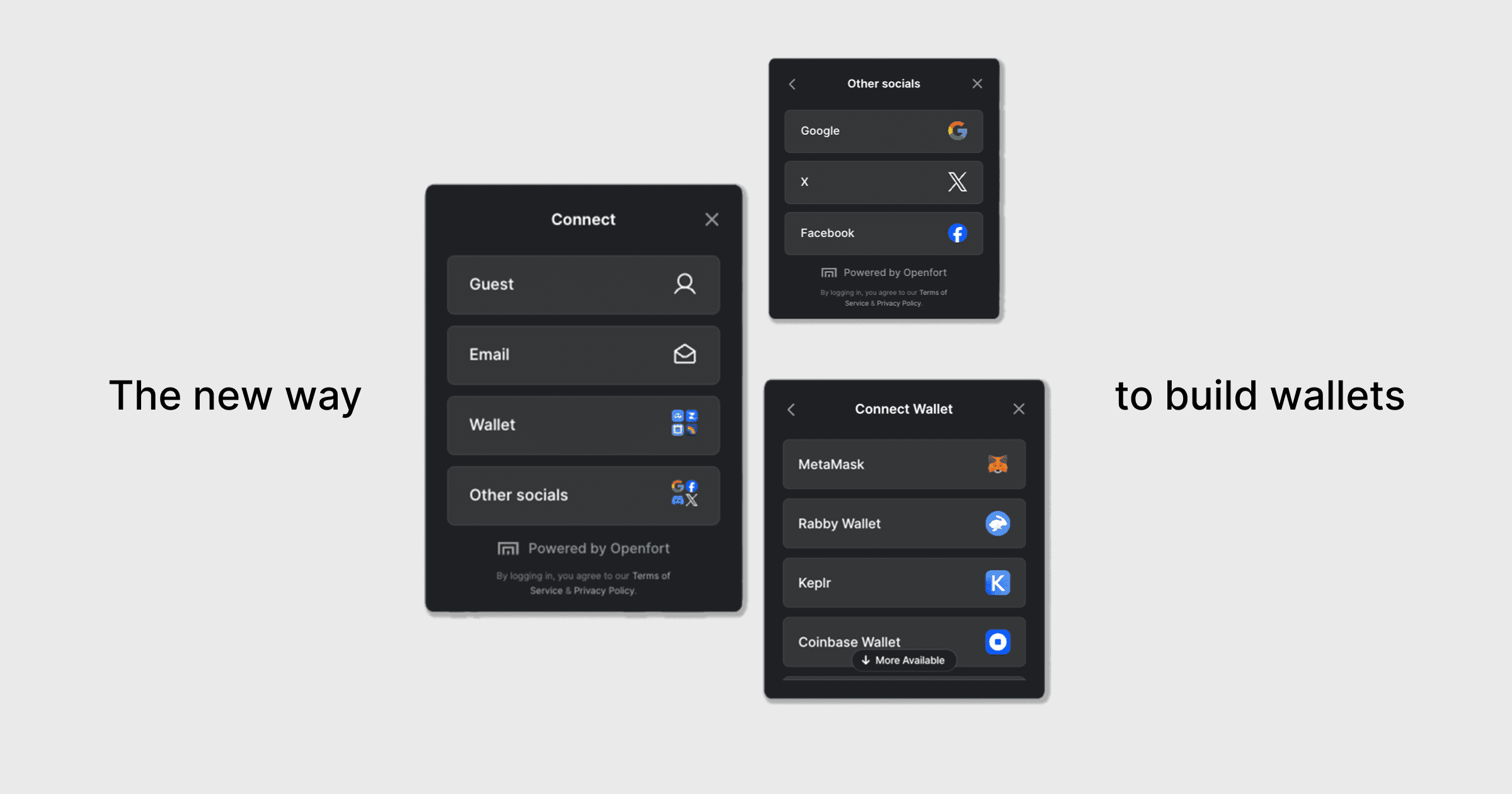
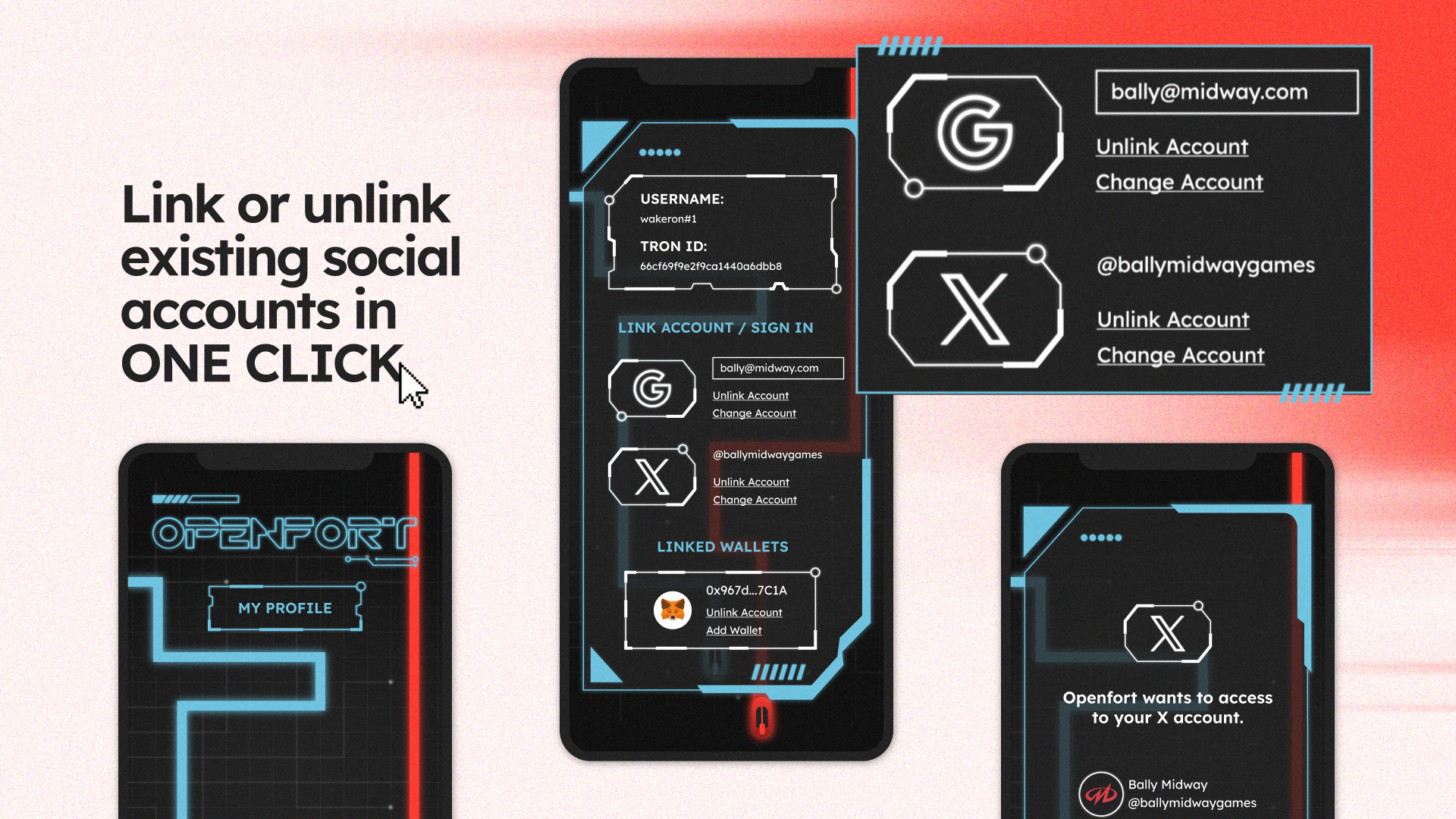
This cycle was about making performance predictable, giving apps more flexible fee options, and carrying EIP-7702 all the way down the stack so you can keep EOAs while unlocking smart features when it actually matters. Think: fewer cold starts, fewer “which chain am I on?” moments, and more ways to sponsor UX without painting yourself into a corner.
Wallets
Published new performance benchmarks for Wallets v2.
We’ve been stress-testing wallet creation, first action time, and batched operations across typical app paths (auth → wallet init → first write). The goal isn’t “synthetic wins” but predictable P95s you can design around. If you’re shipping high-volume onboarding, this helps you decide when to pre-warm, when to sponsor, and when to borrow smart features (via 7702) rather than deploy a contract per user. Benchmarks live in the docs with methodology and harness config so you can reproduce them in your CI.
New Paymaster v3
We've splitted the responsabilities with owner, manager and signer. This means better security and access control to the contract. We also upgraded the validation logic to enable bundler whitelist and incorporated ERC20 modes to enable project to monetize on fees as well.
Backend
Implemented EntryPoint v8 and added EIP-7702 support.
We’ve aligned the service layer with the latest EntryPoint v8 semantics (cleaner validation, better gas accounting edge-cases), and wired 7702 so an EOA can “mount” smart capabilities for a scoped session—no contract deployment per user. That means your backend can enforce policy like: “batch at most N actions” or “sponsor if the basket includes only allow-listed contracts”.
Why this matters: You keep EOA compatibility (wallet portability, broad tool support) while getting 4337-like ergonomics only when the UX needs it—checkout, multi-step actions, or recoveries.
React SDK
Fixed chain-switching edge cases.
A handful of apps hit “stuck between chains” after optimistic switches or custom connectors. We hardened the switch lifecycle (request → confirm → rehydrate state), so providers, caches, and UI all converge on the same network reliably. Result: fewer invisible mismatches where reads and writes disagree.
Improved passkey recovery flows.
We tightened the prompts and recovery checks so users know exactly what’s happening, and apps can gate actions until recovery is finalized. You also get clearer error objects for analytics (“why did the user drop here?”) and better hooks for retry UX.
Monitoring & observability upgrades.
We added structured events around init, chain switch, signer changes, and 7702 session lifecycles. Pipe them to your logger of choice; they’re cardinally safe (no secrets), so you can chart success/failure funnels without worrying about leakage.
Swift SDK
Exposed new methods + minor bug fixes.
The iOS side now mirrors the React mental model more closely—cleaner init, explicit session management, and better error surfaces. If you’re building a cross-platform app, you can share flows and docs without “Swift-only oddities”.
Developer Experience
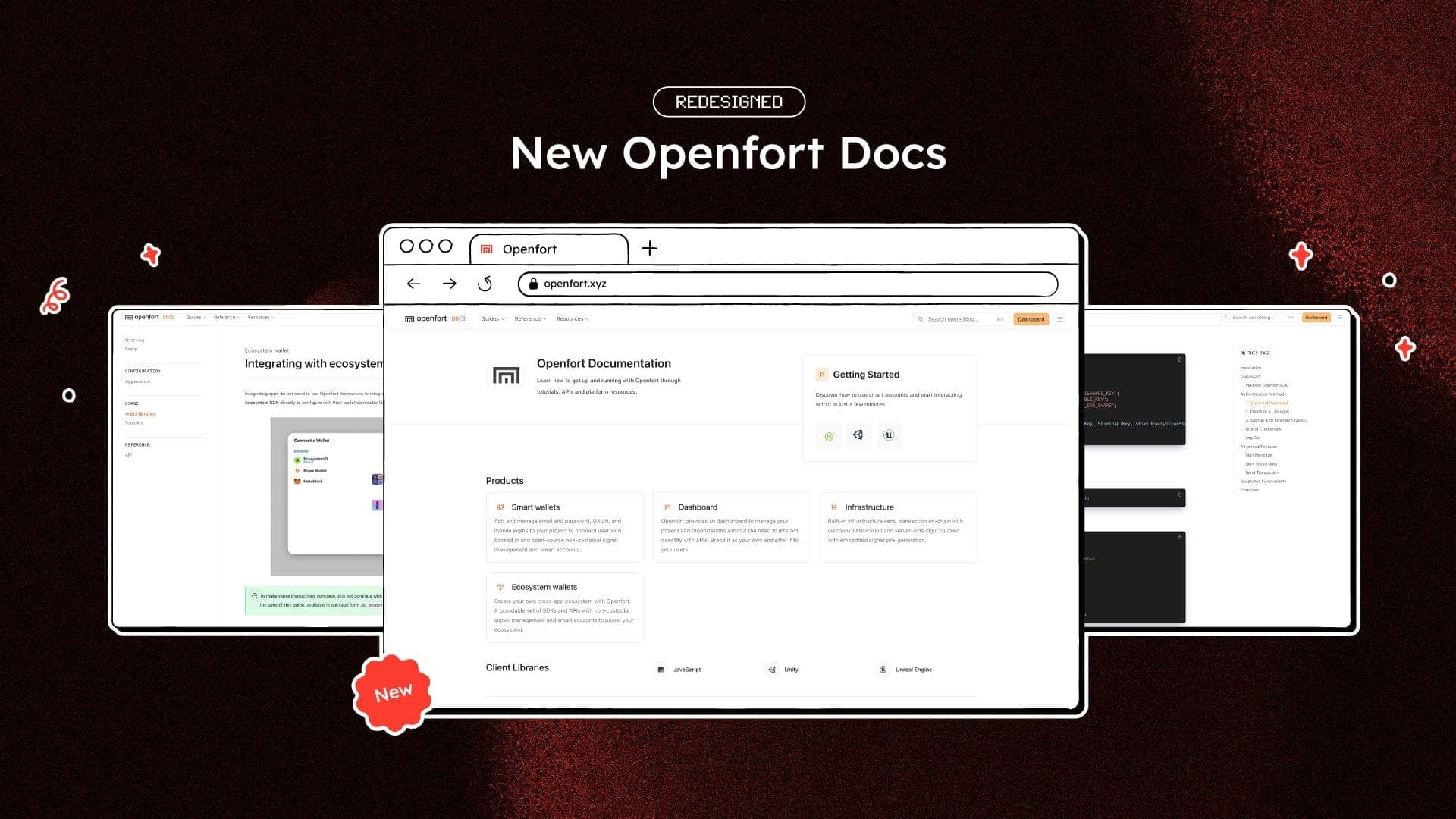
Expanded and refined documentation.
We reorganized quickstarts and deep-dives so you can choose a path by job-to-be-done: “first write in 5 minutes”, “add gas sponsorship”, “ship recovery without seed phrases”. Fewer cross-tabs, more copy-paste blocks.
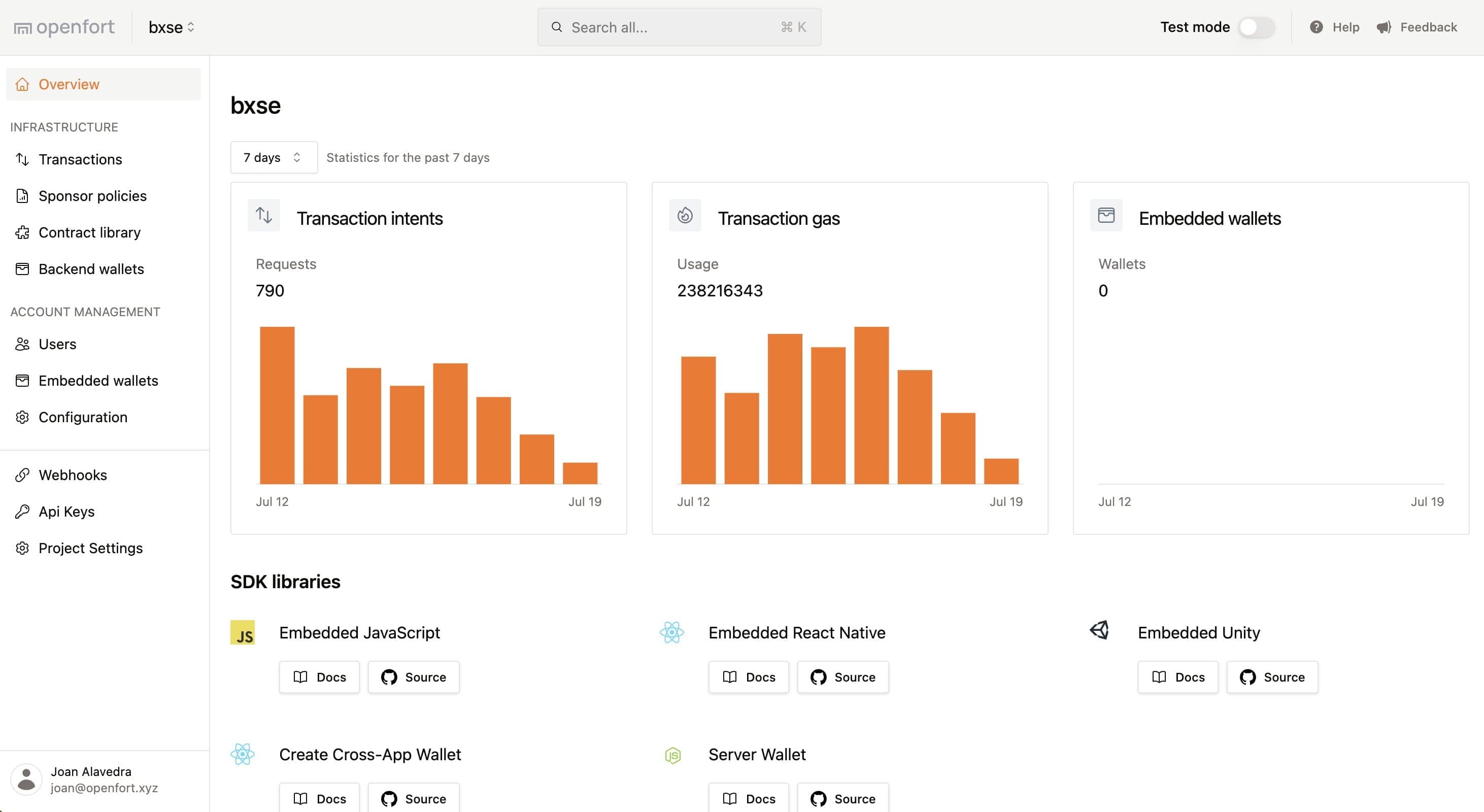
Introduced a one-click backend deployment flow.
If “getting infra running” was your last blocker, this gives you a golden, reproducible stack (pinned Node/Go, CI templates, default policies) so you can test end-to-end without yak shaving. It’s opinionated, not restrictive—you can eject piece-by-piece later.
QoL across the toolchain.
Tighter type surfaces, clearer error codes, smaller Docker images, and saner defaults. It’s the unglamorous stuff that makes week two (and week twenty) smoother than day one.