Casual games are ideally suited for these native ads. Because sessions are short and often played on mobile devices, players are more likely to engage with curated content. As the in-game ad market grows, it provides a sustainable way for casual onchain games to monetize their free-to-play audiences.
See how Openfort powers Web3 gaming with embedded wallets, gas sponsorship, and session keys.
What are Casual Onchain Games?
Casual onchain games are titles that integrate blockchain mechanics (like asset ownership or rewards) into simple, accessible gameplay loops. These games typically have 5-7 minute sessions and focus on ease of use. By using technologies like account abstraction, developers can offer the benefits of onchain apps without the complex onboarding that usually deters casual players.
The Casual Game Market
Casual games are relatively inexpensive to create, can be distributed on any platform, and have a promising future with $25B in revenue forecasted by 2027. The average session length for casual games is 5-7 minutes, and the demographic skews older, with social casino games being primarily played by middle-aged women.
Despite these advantages, casual games face challenges in monetization, with low ARPPUs and a conversion rate amongst the lowest of all game categories at ~1%. Crypto could increase the LTV for those that convert but there is still a 99% gamers who won't convert.
That's mostly the reason why most casual and hyper casual games monetize via ads.
Setting the Foundation for Casual Onchain Gaming
Onboarding
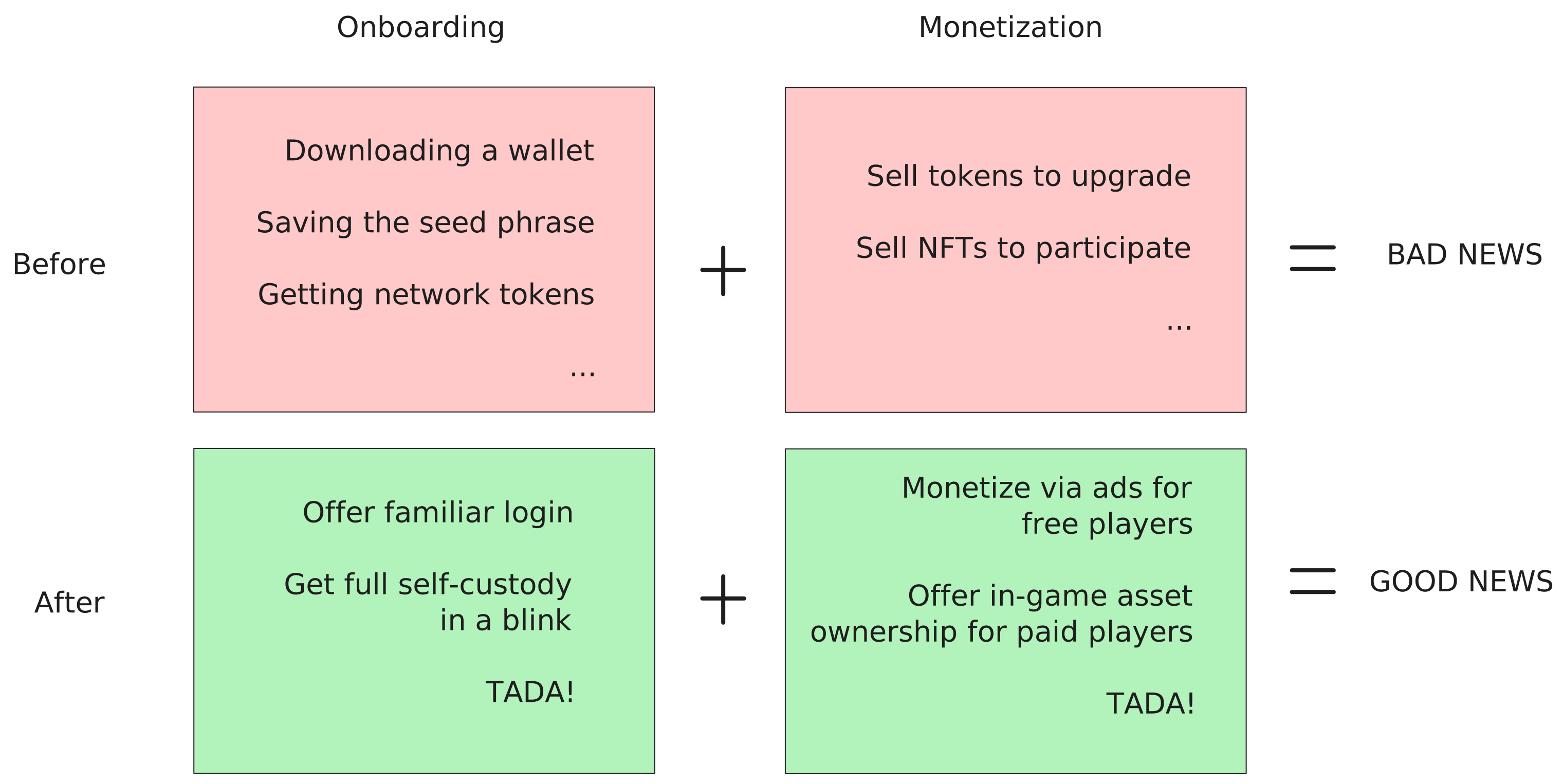
Onboarding for onchain games has simplified. In the past, players had to navigate complex steps to acquire crypto before they could even start a game. This was a major barrier for casual gamers who expect to start playing immediately.
With account abstraction and fiat on-ramps, players can now join a game using a familiar social login. This "Web2-style" experience is essential for casual games, allowing studios to reach players who may never have used a blockchain before.
Native In-Game Ads
In-game advertising is also evolving. Instead of obtrusive banners that break the experience, new technologies allow for native ads—like branded logos on a racing car or a character's clothes. This keeps the gameplay immersive while providing a revenue stream for the developer.