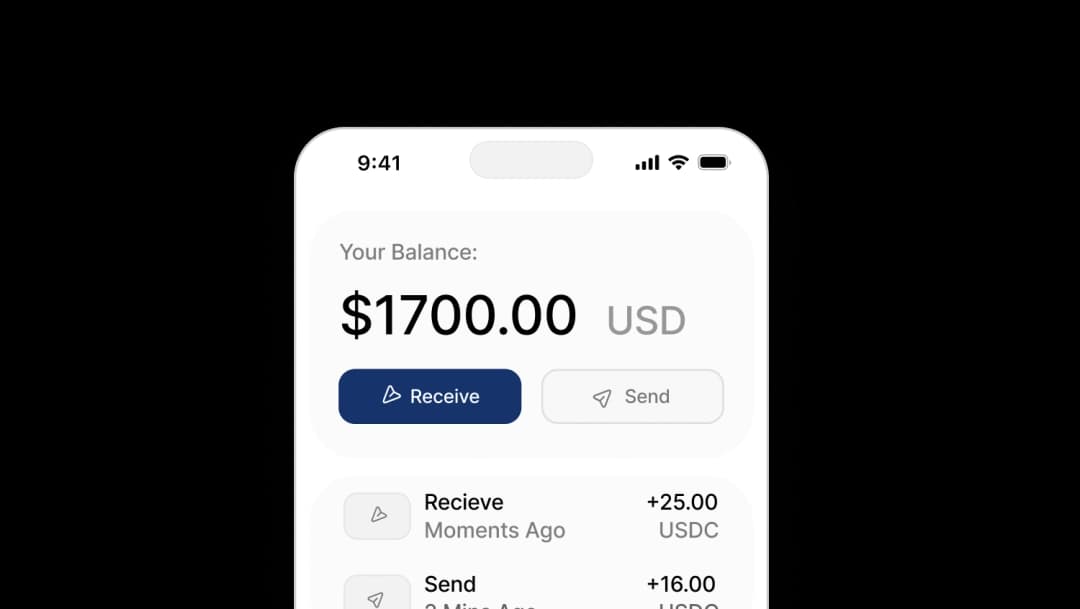
When an app moves stablecoins through embedded wallets, every balance, transfer size, and counterparty is public on a block explorer. For payment products, payroll, and yield products, that is a structural problem—not a preference.
Openfort built a recipe letting developers hold and move USDC with encrypted balances and amounts on-chain powered by Zama, while the user still gets a gasless embedded wallet with no seed phrase.
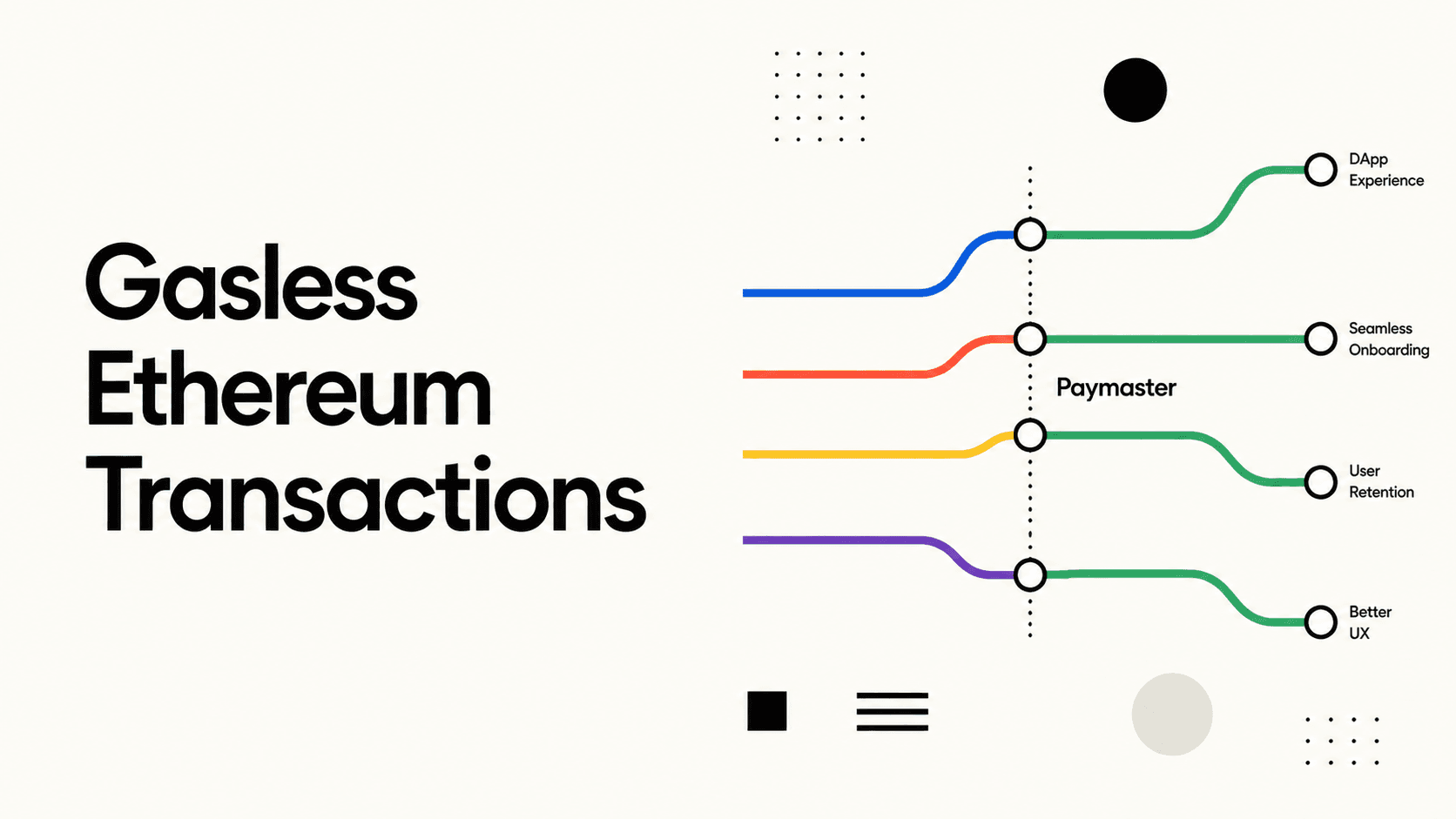
Openfort stays the wallet layer: authenticate the user, create and secure a self-custodial EOA with 7702-delegate so an Openfort paymaster sponsors gas, and produce the signatures. Zama runs client-side via the confidential token stack (ERC-7984 / cUSDC): the browser encrypts amounts, the chain and coprocessors operate on ciphertexts, and only authorized parties can decrypt.
Shielding wraps public USDC into encrypted cUSDC (the entry amount is visible once; everything after stays private). From there, apps can deposit into confidential DeFi, for example the live Steakhouse Confidential Morpho vault. The user reveals their own balances with a single cached EIP-712 decrypt permit signed by the same embedded EOA.
A full recipe walks through the full flow.
"Integrating Openfort wallets with Zama confidential tokens and DeFi vaults can now be done in just a few minutes, making it easier to bring confidential transfers and investments directly to end users."
— Arik Galansky, CPO at Zama
This gives applications using Openfort:
- Confidential balances. cUSDC and vault positions stay encrypted on-chain (ERC-7984 / FHE), not merely obfuscated off-chain.
- Shield and unshield. Wrap public USDC into cUSDC and back, with a clear public entry and privacy thereafter.
- Private yield. Deposit into confidential vaults such as Steakhouse Confidential on Morpho while amounts and position size stay encrypted.