TL;DR
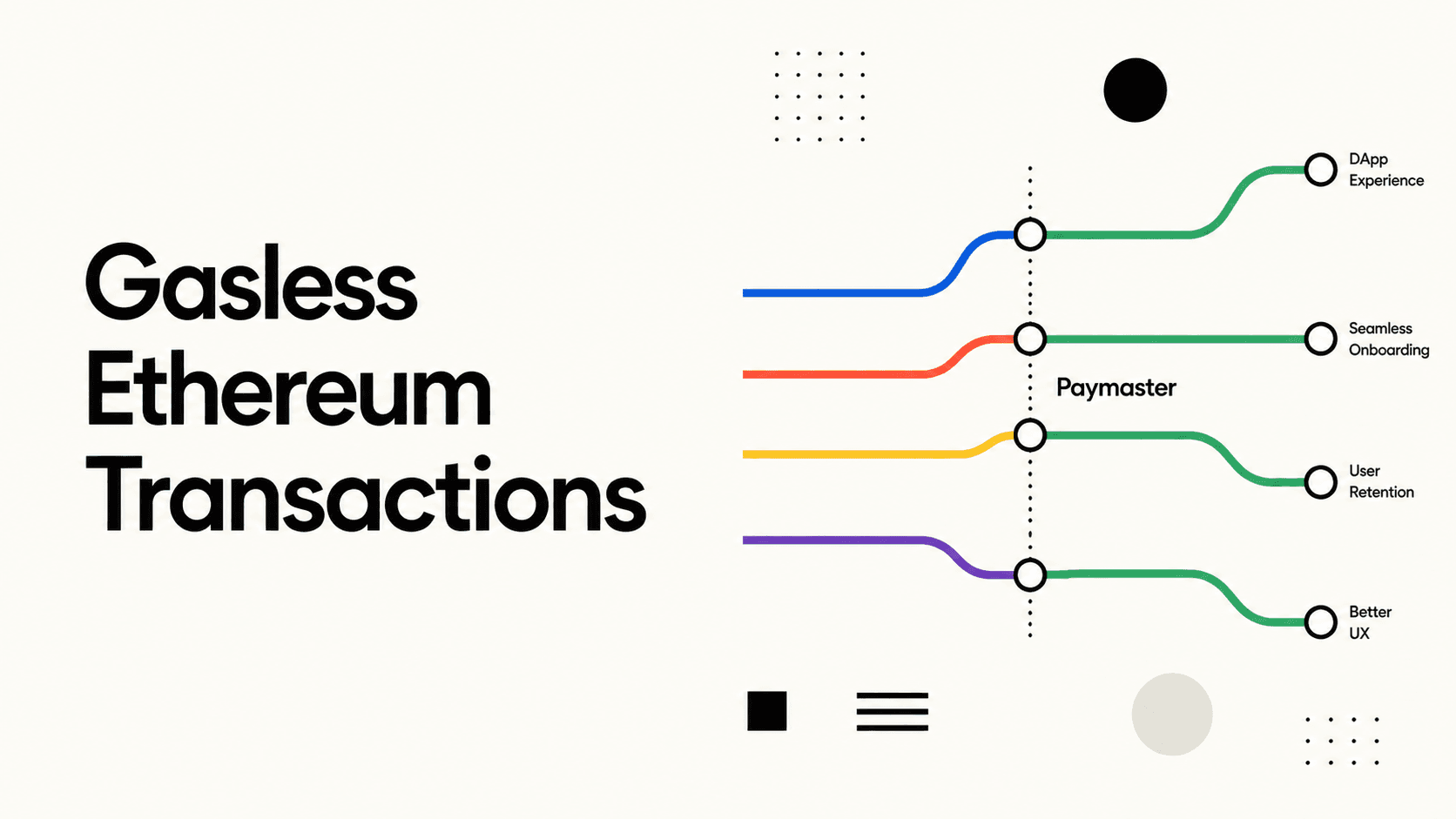
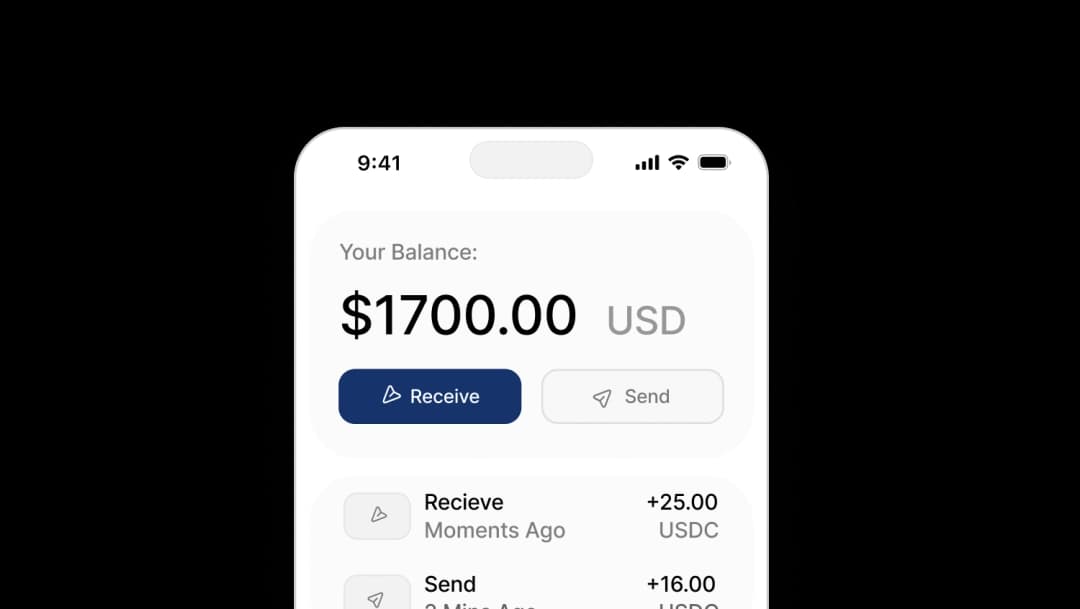
Openfort supports gasless transactions on Ethereum and every major EVM chain. Using ERC-4337 paymasters and EIP-7702, your app can sponsor network fees so users never need to hold ETH to transact. You can also run an ERC-20 paymaster that lets users pay gas in stablecoins like USDC, USDT, or DAI — no native token required. This removes the biggest onboarding blocker for consumer apps, games, and payment flows. Integration is a few lines via the Openfort SDK, with policy controls for when and how much you sponsor. The post walks through how it works, stablecoin gas, and production considerations.
Gas fees are the oldest friction point in crypto: before a user can do anything, they need the native token to pay for it. On Ethereum that means buying ETH, bridging it to the right chain, and keeping a balance topped up. With Openfort, you can remove that step entirely — your app sponsors gas, and users just use your product.
Openfort offers a complete account abstraction stack with bundlers, paymasters, and session keys ready to ship.
This works on Ethereum mainnet and every major EVM chain — Base, Arbitrum, Optimism, Polygon, BNB Chain (Binance Smart Chain), and more. You sponsor the gas, your users never touch the native token.
How it works
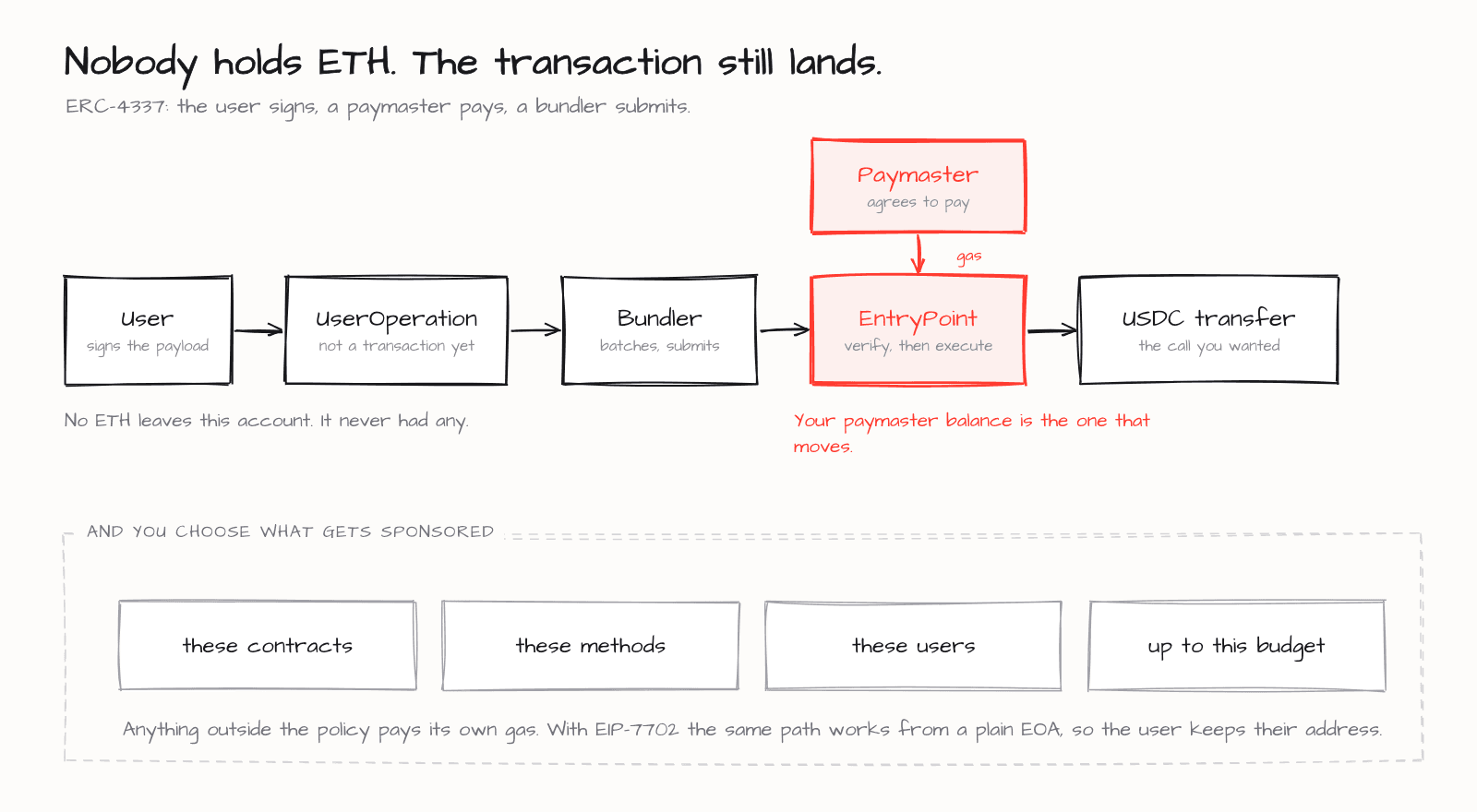
Gasless transactions on Ethereum are built on ERC-4337 paymasters:
- Your app builds a transaction as a UserOperation
- The user signs the payload through their Openfort embedded wallet
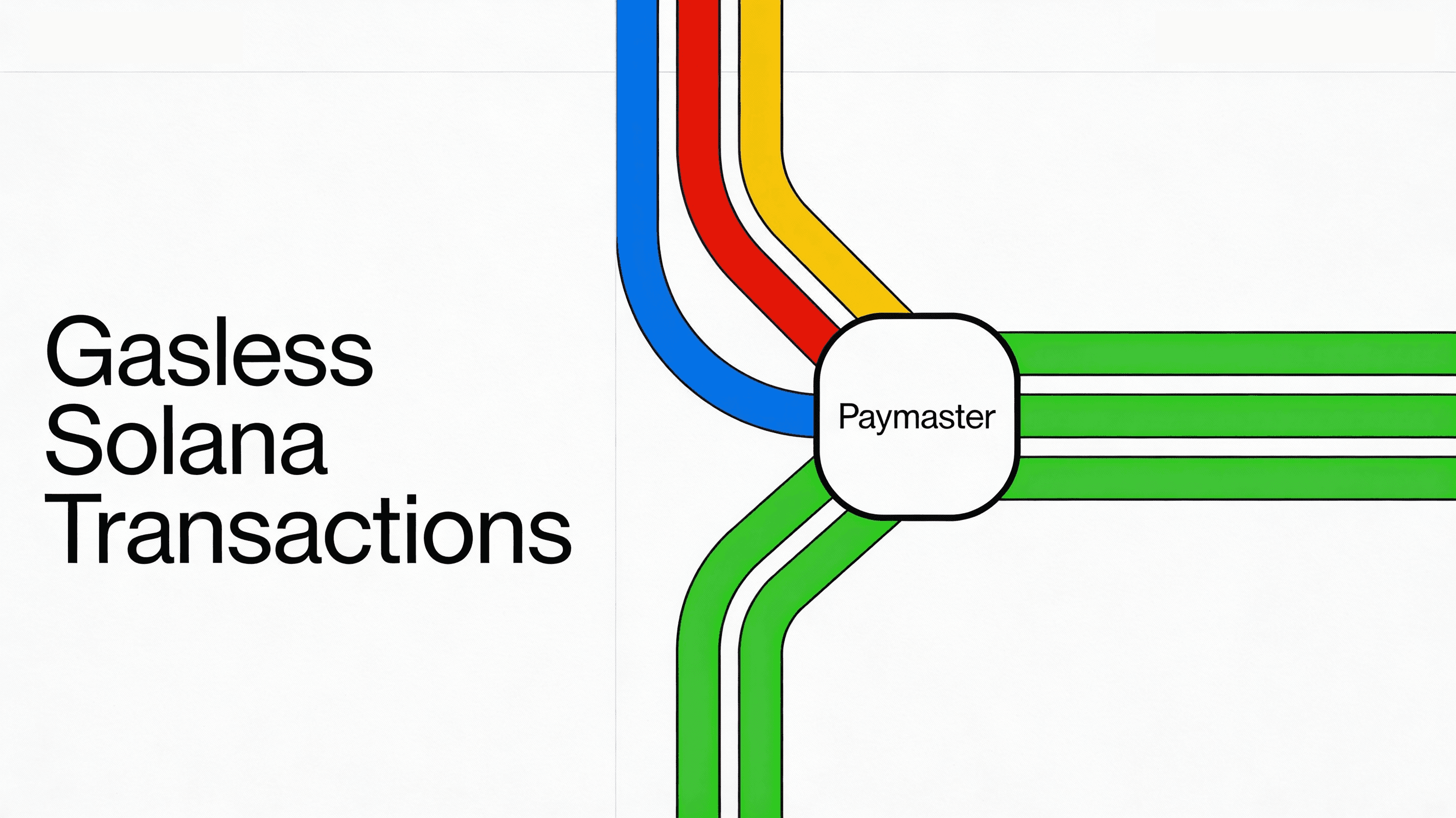
- A paymaster covers the gas, and a bundler submits the operation onchain
The user's wallet only signs the transaction data — no ETH is deducted from their account. The paymaster handles the fee payment on your behalf. With EIP-7702, the same sponsorship flow works for regular EOAs that temporarily gain smart-account powers, so users keep a familiar address while getting gasless UX.
This preserves the security guarantees of cryptographic signing while removing the gas barrier for your users.
How to sponsor gas on Ethereum
Sponsoring gas takes two pieces of configuration and one send call. The full walkthrough lives in the sponsor gas on Ethereum docs; here's the short version.
Install the SDK:
_10npm install @openfort/openfort-node
Create a gas sponsorship policy with the sponsorEvmTransaction operation — once, in the dashboard or via the API. Leave criteria empty to sponsor every transaction, or add rules to scope it:
_10curl -X POST https://api.openfort.io/v2/policies \_10 -H "Authorization: Bearer $YOUR_SECRET_KEY" \_10 -H "Content-Type: application/json" \_10 -d '{_10 "scope": "project",_10 "description": "Sponsor all EVM transactions",_10 "rules": [_10 { "action": "accept", "operation": "sponsorEvmTransaction", "criteria": [] }_10 ]_10 }'
Attach a pay_for_user gas sponsorship so your project balance covers the fees:
_10curl -X POST https://api.openfort.io/v2/fee-sponsorship \_10 -H "Authorization: Bearer $YOUR_SECRET_KEY" \_10 -H "Content-Type: application/json" \_10 -d '{_10 "name": "App-pays gas on EVM",_10 "strategy": { "sponsorSchema": "pay_for_user" },_10 "policyId": "ply_..."_10 }'
Now send. Pass the policy and target any EVM chain by its chainId — Ethereum, Base, Arbitrum, BNB Chain, and the rest all use the same call:
_17import 'dotenv/config'_17import Openfort from '@openfort/openfort-node'_17_17const openfort = new Openfort(process.env.OPENFORT_SECRET_KEY!, {_17 walletSecret: process.env.OPENFORT_WALLET_SECRET!,_17})_17_17const account = await openfort.accounts.evm.backend.create()_17_17const result = await openfort.accounts.evm.backend.sendTransaction({_17 account,_17 chainId: 8453, // Base — or 1 (Ethereum), 56 (BNB Chain), 42161 (Arbitrum)…_17 interactions: [{ to: '{{CONTRACT_ADDRESS}}', data: '{{CALLDATA}}' }],_17 policy: '{{POLICY_ID}}',_17})_17_17console.log('Sponsored transaction hash:', result.response?.transactionHash)
That's it — the paymaster covers gas, and the user needs no ETH or BNB.
Pay gas in stablecoins
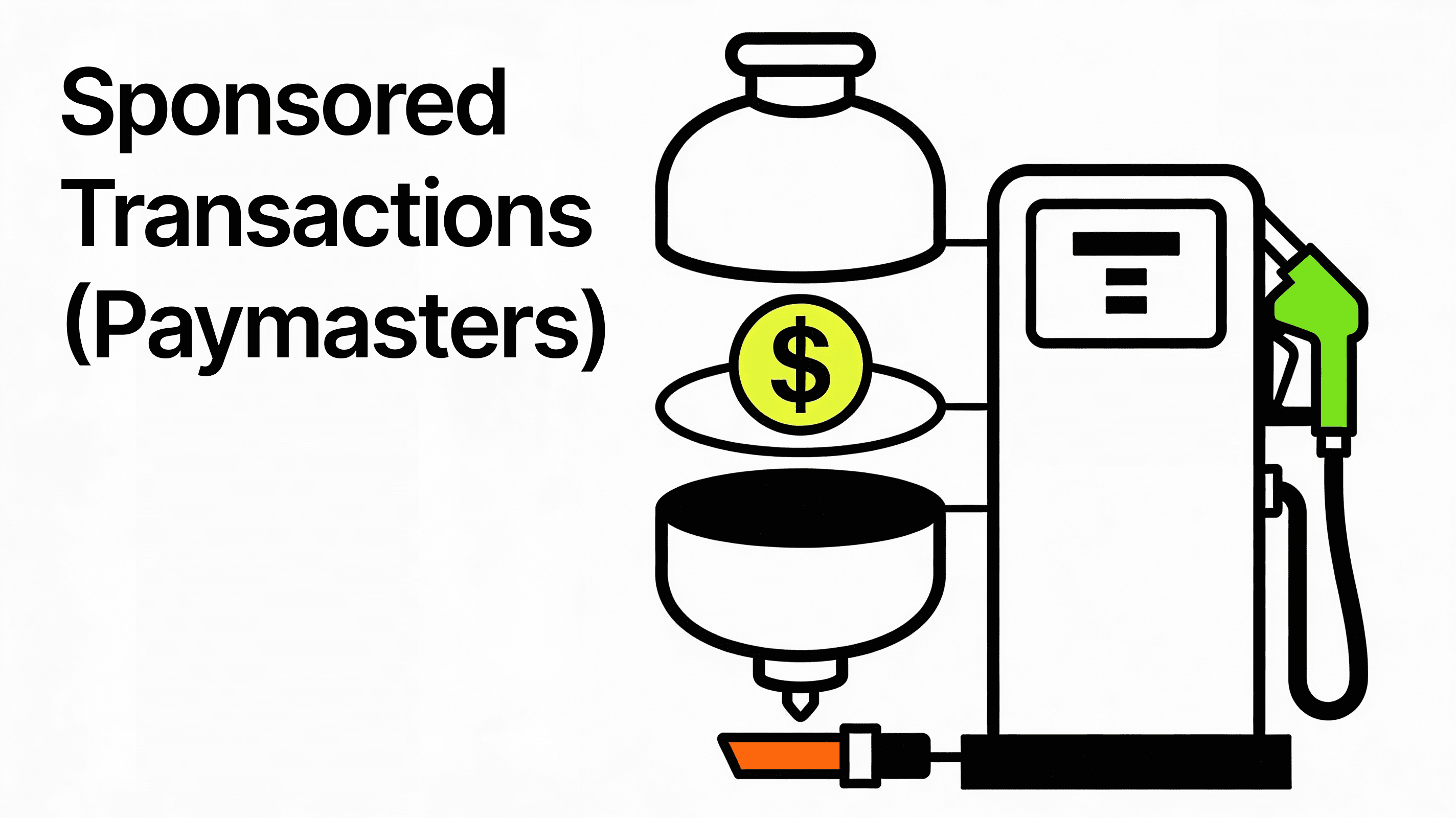
Not every flow should be free. For payment apps, DeFi, or anything where users already hold stablecoins, you can run an ERC-20 paymaster instead of full sponsorship.
With an ERC-20 paymaster, users pay network fees in a stablecoin — USDC, USDT, or DAI — rather than ETH. The paymaster fronts the gas in the native token and charges the equivalent in the ERC-20, so users only ever think in dollars and never need to acquire ETH to move their money.
Openfort supports multiple fee modes for this:
- Charge at live rate — the user pays the real-time stablecoin equivalent of gas consumed
- Fixed rate — the user pays a predictable token amount per action, ideal for in-game currencies or flat pricing
This is what makes a true "USDC-only" wallet possible: users hold stablecoins, transact in stablecoins, and pay fees in stablecoins, with ETH abstracted away entirely. See pay gas in ERC-20 tokens for the setup.
Frictionless wallet creation
Gasless transactions pair with Openfort's embedded wallet infrastructure. Users create self-custodial wallets through familiar login methods — email, social auth, or passkeys — without needing to understand blockchain mechanics upfront.
Combined with sponsored or stablecoin gas, this means:
- No seed phrase education required during onboarding
- No "buy ETH first" step before users can interact
- Standard web2 login flows with crypto capabilities
Control what you sponsor
Sponsoring gas is a business expense, so you get controls to manage it. Paymaster policies let you scope sponsorship with granular rules:
- When you sponsor — first N actions, specific methods, promotional windows
- How much — daily limits and per-transaction gas caps
- For what — specific contracts or function selectors
This keeps costs predictable and protects you against abuse while still delivering a frictionless experience to real users.
Why this matters
Gas fees remain one of the biggest friction points in crypto applications. Even when fees are low, "low" isn't zero — users still need to acquire ETH, transfer it to the right wallet on the right chain, and maintain a balance. Each step is a potential drop-off point.
Gasless transactions eliminate this friction. Your application handles gas costs as a business expense, similar to paying for API calls or cloud infrastructure. And for stablecoin flows, an ERC-20 paymaster means users transact entirely in dollars.
For payments, DeFi savings, trading, or any consumer application, this changes the onboarding equation. Users don't need to become crypto-literate before experiencing your product.
Get started
We've published complete guides for implementing gasless transactions on Ethereum and EVM chains:
→ Sponsor gas on Solana and Ethereum — policy setup, app-pays sponsorship, and the send call with copy-paste code.
→ Pay gas in ERC-20 tokens — let users pay fees in USDC, USDT, or DAI.
→ How to set up gasless transactions — the full EVM + Solana implementation guide.
The guides cover paymaster setup, policy configuration, stablecoin fee modes, and integration with Openfort's embedded wallets.
If you're already using Openfort, enabling gasless transactions requires minimal changes to your existing integration.
Related reading
- Gasless transactions on Solana — sponsored transactions on Solana with the Kora relayer
- Technical dive: gas sponsorship via paymasters — how standard and ERC-20 paymasters work under the hood
- Embedded wallets explained — understand how Openfort's wallet infrastructure works
- Backend wallets — server-side wallet management for automated operations
- Micro-transactions — the sub-cent payment flows that sponsored gas makes viable