Until now, building onchain payment products meant exposing your users' financial activity to anyone willing to look. Every wallet, every transfer, every supplier relationship — all visible on a public ledger. That tradeoff has quietly blocked entire categories of business from going onchain.
That changes with this recipe. Openfort embedded wallets can now settle stablecoin payments confidentially, powered by Unlink — and that capability is available from the very first transaction.
The market this unlocks
Enterprise B2B payments are the largest category of global payment volume — orders of magnitude larger than consumer crypto transactions. The reason they haven't moved onchain isn't speed or cost. It's confidentiality. Procurement flows, supplier terms, cash timing — companies protect this information carefully, and a public ledger makes that impossible.
Private onchain payments remove that blocker. The companies that have been watching from the sidelines — waiting for blockchain infrastructure that meets their operational requirements — now have a credible path in. And the builders who are ready for them will have a structural advantage.
What this means if you build with Openfort
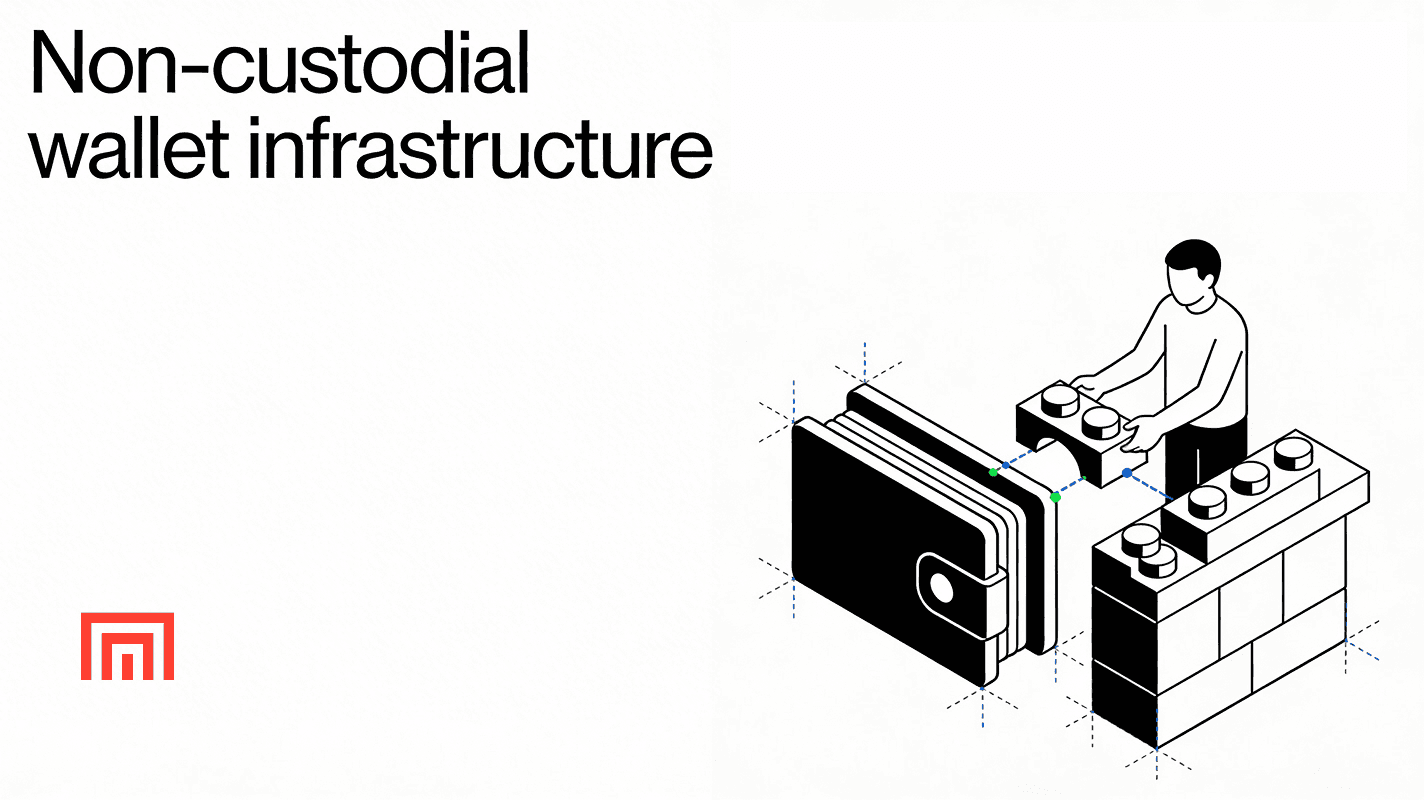
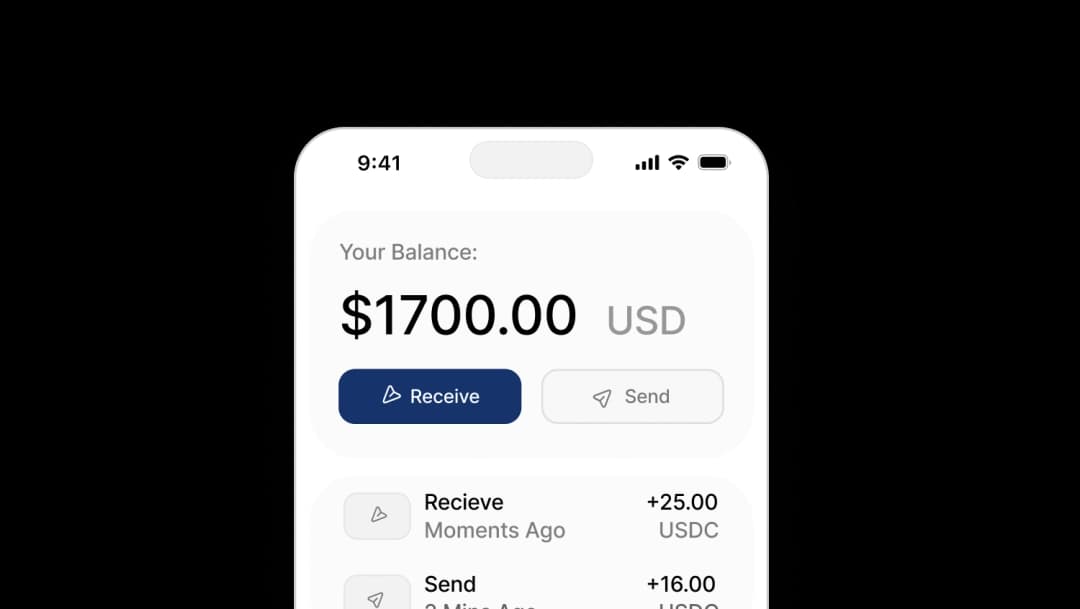
Openfort wallets are now privacy-capable from the moment they're created. You don't need to architect a separate privacy layer, integrate a new SDK, or ask your users to switch wallets. The same embedded wallet your product already uses — created with a passkey, self-custodial, composable — can now settle payments confidentially.
For builders, the practical implications are significant:
-
If you're building a B2B payments product, you can now serve enterprise clients who require confidentiality as a condition — not a nice-to-have. The first transaction your user settles is already private.
-
If you're building payroll or treasury tooling, your clients' salary distributions and supplier disbursements no longer broadcast operational intelligence to the market.
-
If you're building DeFi or fintech infrastructure that touches real business money, you can make confidentiality part of your product's guarantee — not a disclaimer you have to explain away.
Privacy as infrastructure, not as an add-on
The model we're establishing with Unlink is that privacy belongs at the account layer, not bolted on after the fact. Openfort handles the wallet — account creation, key management, policy enforcement, composability with any onchain protocol. Unlink handles the confidential settlement layer. Together they produce a wallet that behaves exactly like any other Openfort wallet, except the payment connections stay private.
Self-custody is preserved throughout. There are no trusted intermediaries holding funds. The flow is composable with the rest of the onchain stack your product is already using. And because it integrates at the wallet level, your users never have to think about it.
Start building
The integration guide covering the full flow — from wallet creation to settled private invoice — are live in the Openfort recipe docs. If you're already building on Openfort, adding confidential payment support is a matter of following the integration path. If you're evaluating infrastructure for a B2B payments product, this is a good time to take a closer look.
The expectation for business payments onchain is shifting. Confidentiality is no longer an edge case — it's the baseline. We're building toward that standard.