When a company that brought investing to a generation builds its own blockchain for financial services, it's worth paying attention to where finance is heading. That chain is here, and Openfort supports it. Teams building on Robinhood Chain can now provision wallets, sponsor gas, and run programmable onchain operations with Openfort from the first test transaction to production volume.
Robinhood Chain is built to bring financial services and real-world assets onchain. Openfort is the wallet infrastructure that lets teams build the products that live there. One provides an open network; the other provides the account and execution layer to build a business on it.
What is Robinhood Chain?
Robinhood Chain is a permissionless EVM built for financial services and tokenized real-world assets. A few things Robinhood has shared publicly about the chain:
- Permissionless by design. Anyone can access, transfer, or build on Robinhood Chain, without intermediaries or platform lock-in.
- Built for developers. A wallet-ready mainnet and a suite of developer tools let teams start building quickly.
- Fast and Ethereum-secured. It runs on Arbitrum's Layer 2 infrastructure, delivering high throughput with 100ms block times and the security of Ethereum.
- Live today. The mainnet is live, so teams can test, integrate, and validate financial applications now.
Because Robinhood Chain is EVM-compatible, Openfort works on it from day one — the same account abstraction and embedded wallet stack teams already run across other networks.
An open network needs a wallet layer
Permissionless is the point of Robinhood Chain. But a financial product is more than a transaction on a fast chain. It needs accounts, approvals, spending controls, gas that users never have to think about, and an auditable record of every action — the layer that turns a network into a place you can run a business.
That's what Openfort provides. Openfort is the wallet-as-a-service platform between an application's business logic and the chains it runs on: wallets and accounts, transaction orchestration, gas sponsorship, programmable policies, and self-custodial key management, through one API, on any EVM network it supports — including Robinhood Chain.
What you can build on Robinhood Chain with Openfort
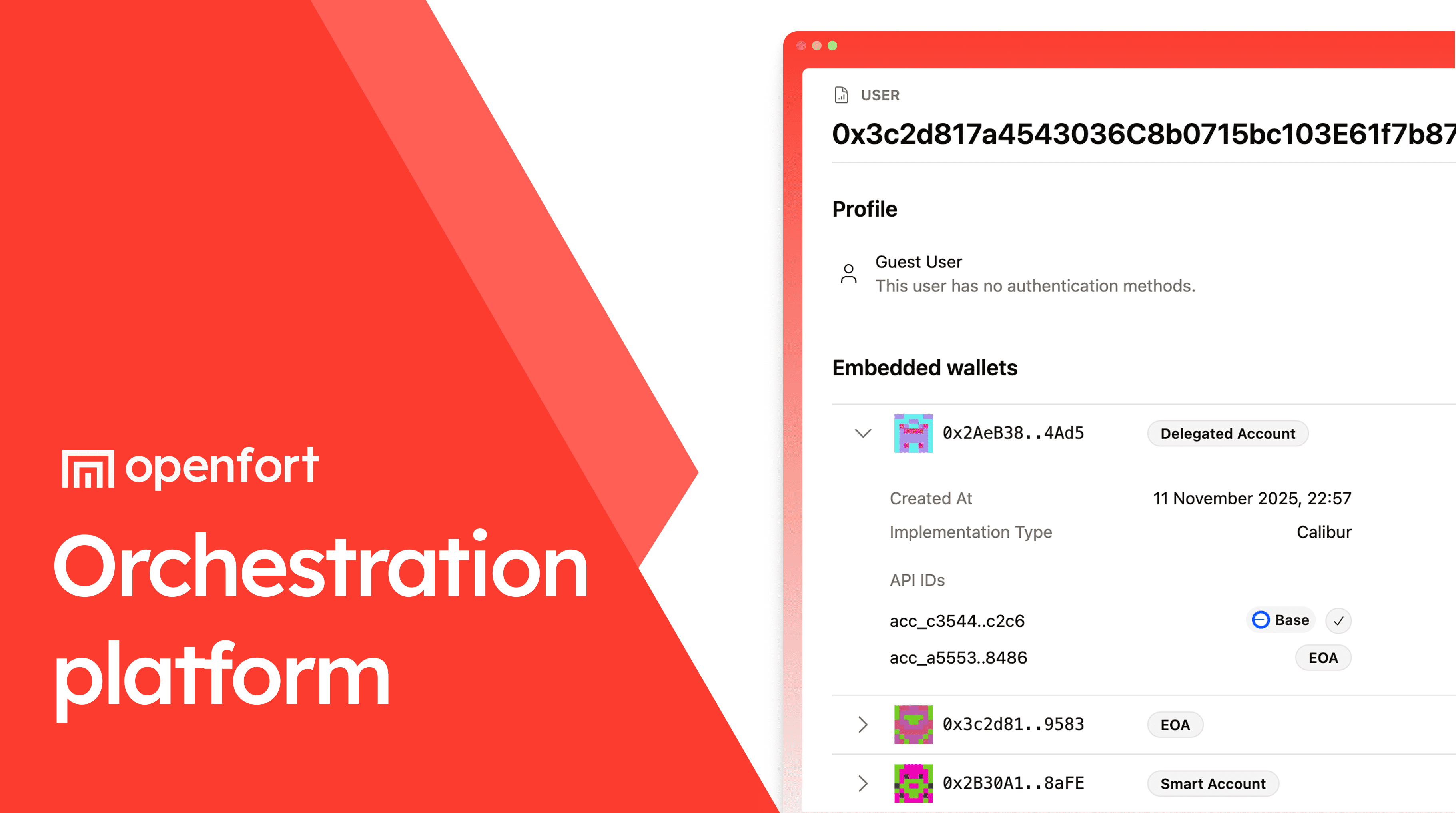
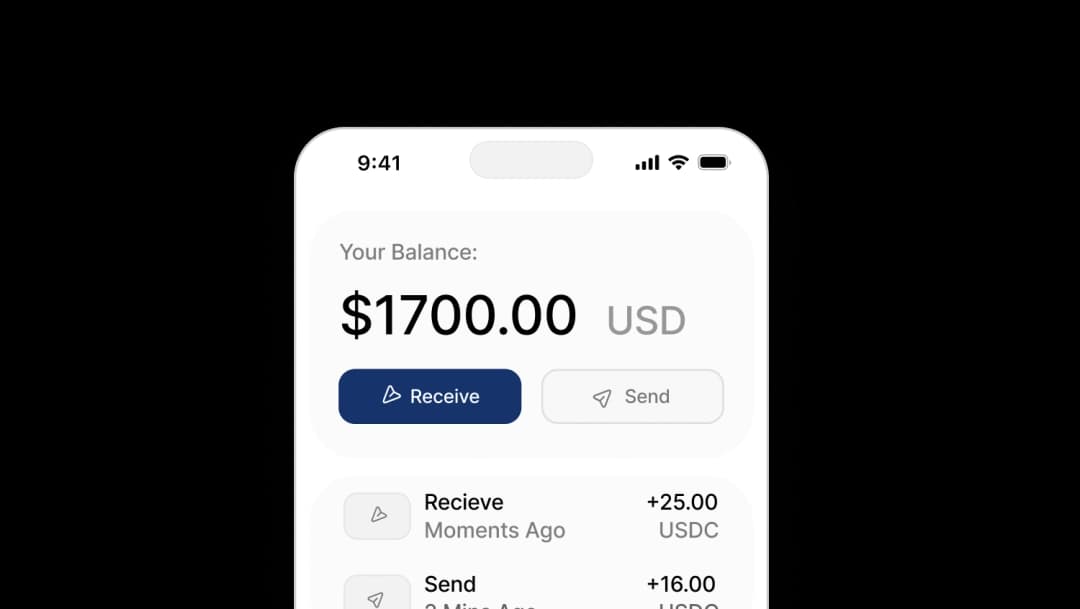
- Embedded wallets that feel like a modern app, provisioned programmatically through one API and embedded directly into your product with seedless, passkey-based onboarding.
- Smart accounts with account abstraction and EIP-7702, so users get social recovery, batching, and session keys without managing seed phrases.
- Gas sponsorship, so your users never need to hold a token to transact — sponsor gas under rules you define.
- Programmable policies, with spending limits, allowlists, and approval logic enforced before anything executes — see policies.
- Backend and automated flows with wallet automations, to move value and run programmatic operations under governed controls.
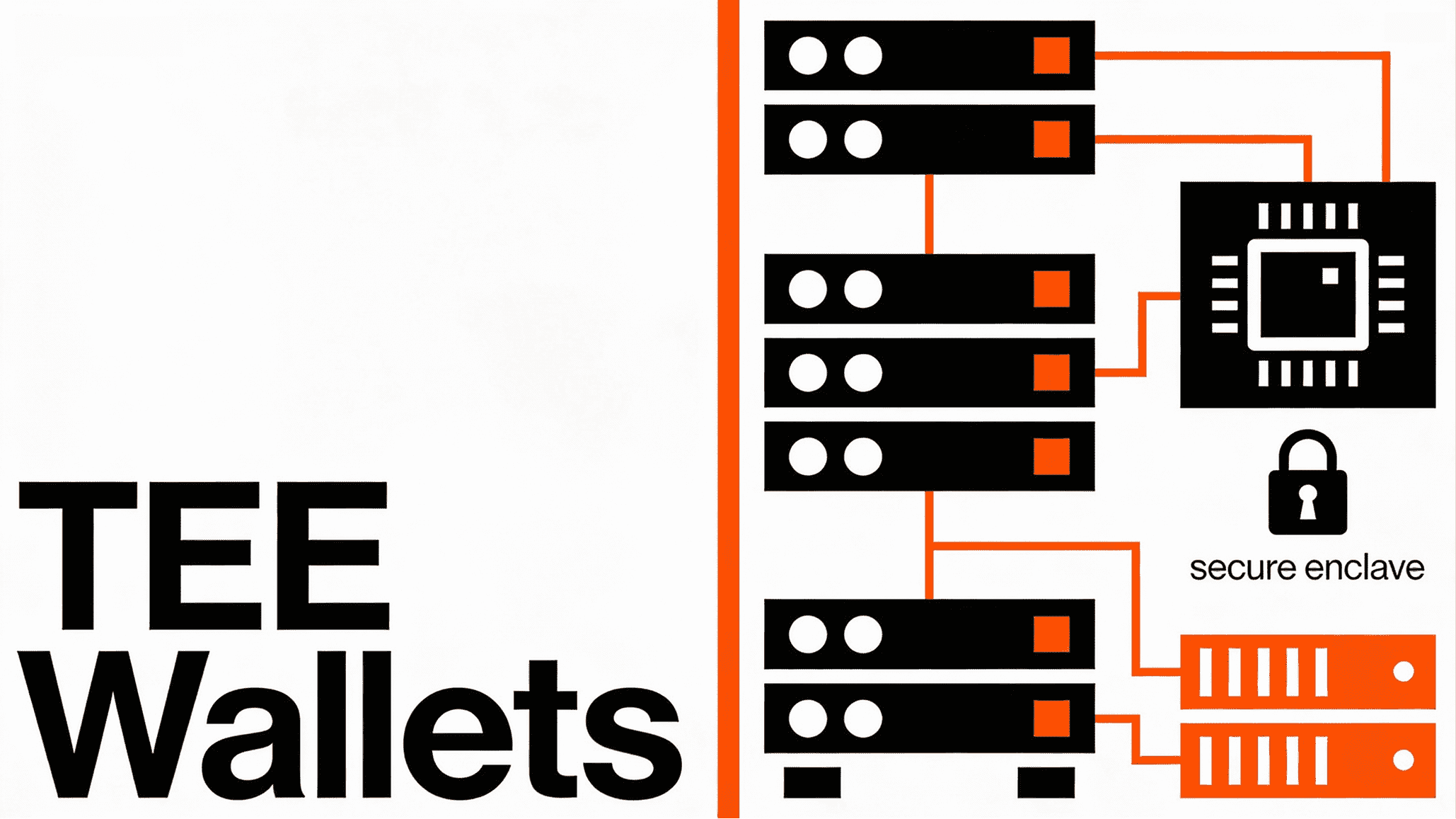
- Self-custodial key management through OpenSigner and TEE wallets, so keys are never assembled in one place and custody stays with your users.
Why it matters
Robinhood Chain is built for financial services and tokenized real-world assets, and Openfort gives builders the wallet layer to bring those products to life. On the mainnet today, teams can build and validate tokenized asset apps, payments and stablecoin flows, consumer wallets, and treasury automations — each running on the same Openfort platform, so a team that builds once can extend across products and across every other network Openfort supports, under one set of controls.
Getting started
The Robinhood Chain mainnet is live, and Openfort support is ready. If you're building the next generation of onchain finance, you can start now with the wallet infrastructure to take a product from its first test transaction to production volume.
Explore the documentation to begin integrating, or talk to our team about building on Robinhood Chain.