Openfort now supports Sophon, a ZK-powered network focused on entertainment and gaming. This integration allows developers to bring advanced account abstraction to Sophon’s high-performance ecosystem.
What is Sophon?
Sophon is an entertainment-focused ecosystem built using the ZK Stack (zkSync technology). It is designed to host high-throughput applications like games and consumer apps with low costs and Ethereum-level security. By integrating with Sophon, Openfort enables developers to build seamless on-chain experiences with features like social recovery, gasless transactions, and "invisible" wallets for their players.
Key Features
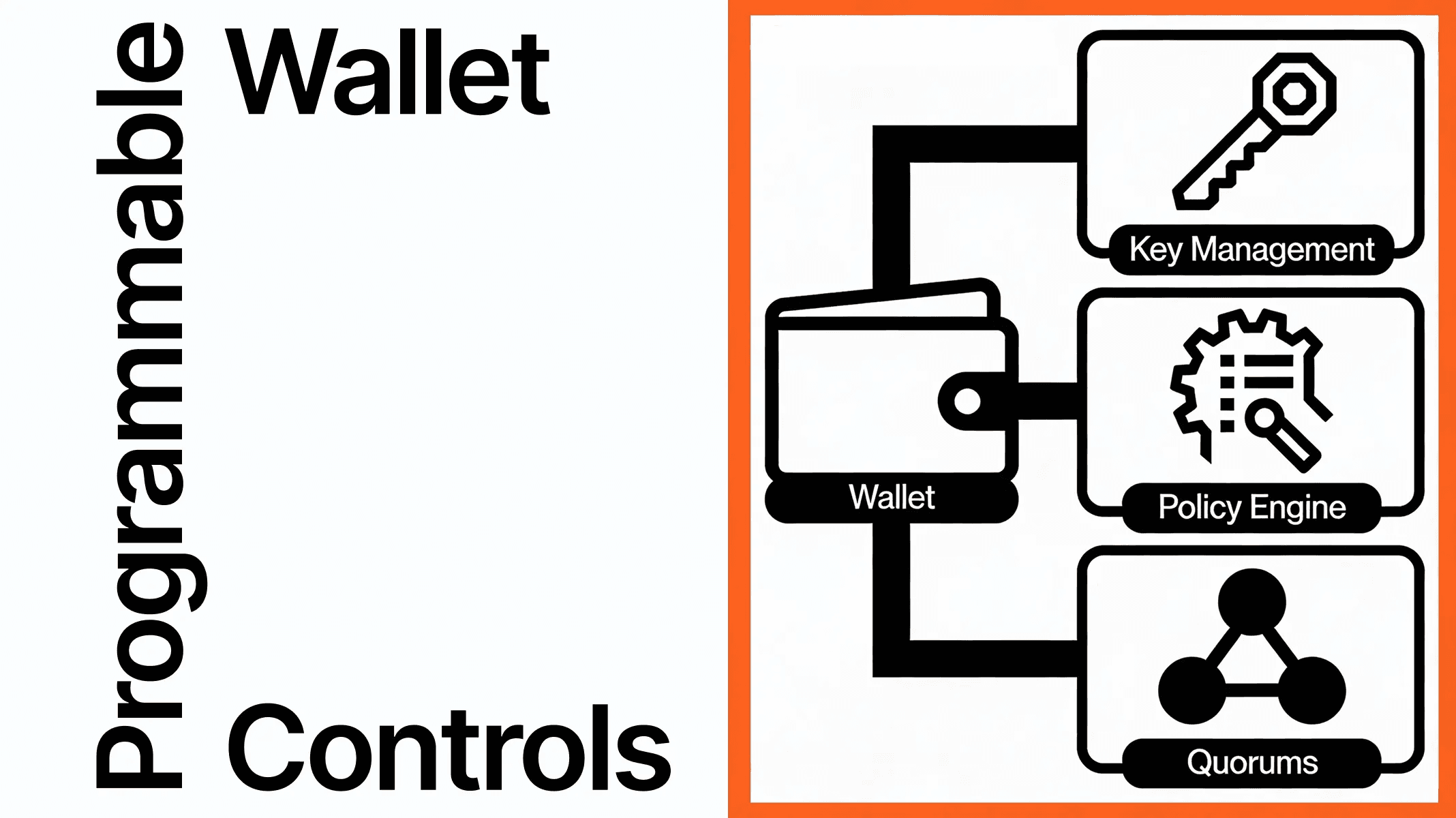
- Account Abstraction Support: Developers can now implement smart accounts with features like social recovery and multi-signature control on Sophon.
- Enhanced Gaming Experience: The integration aligns perfectly with Sophon's focus on gaming and entertainment applications, offering seamless, gasless transactions for players.
- Scalable Infrastructure: By combining Openfort's account infrastructure with Sophon's ZK Stack technology, developers can build applications that handle high throughput while maintaining low costs.
Why Sophon?
Sophon has emerged as a leading blockchain platform for entertainment and gaming applications, with over $500M in Total Value Locked (TVL). The platform's modular architecture and focus on user experience make it an ideal addition to Openfort's growing ecosystem of supported chains.
Getting Started
Developers can begin integrating Openfort's SDK with Sophon immediately. Our documentation provides comprehensive guides and examples to help you create seamless on-chain experiences for your users.
Stay connected with our community for updates and integration support as we continue to expand our blockchain compatibility.