TL;DR
A Polygon wallet, for a developer, is embeddable infrastructure — not a consumer app. This guide covers account abstraction (ERC-4337 and EIP-7702), gas sponsorship, and HTTP 402 payments on Polygon, and where Openfort's wallet primitive fits versus Crossmint's NFT-first stack.
If you are a developer, "Polygon wallet" is a misleading search term. The results are full of consumer apps you download. But the question most builders are really asking is different: how do I put a wallet on Polygon inside my own product? That is an infrastructure question, and it has a different answer.
This guide is about that second question. We cover what a Polygon wallet means when you're the one shipping it, the two ways to add one, how account abstraction and gas sponsorship work on Polygon, and where HTTP 402 payments fit. If you've read our guides on the best Ethereum wallets for developers or the best Solana wallets for developers, this is the Polygon entry in the same series.
What "Polygon wallet" means for a developer (not an end user)
An end user's Polygon wallet is an app. They open it, read a prompt, and click sign. The friction is the point — the click is the consent.
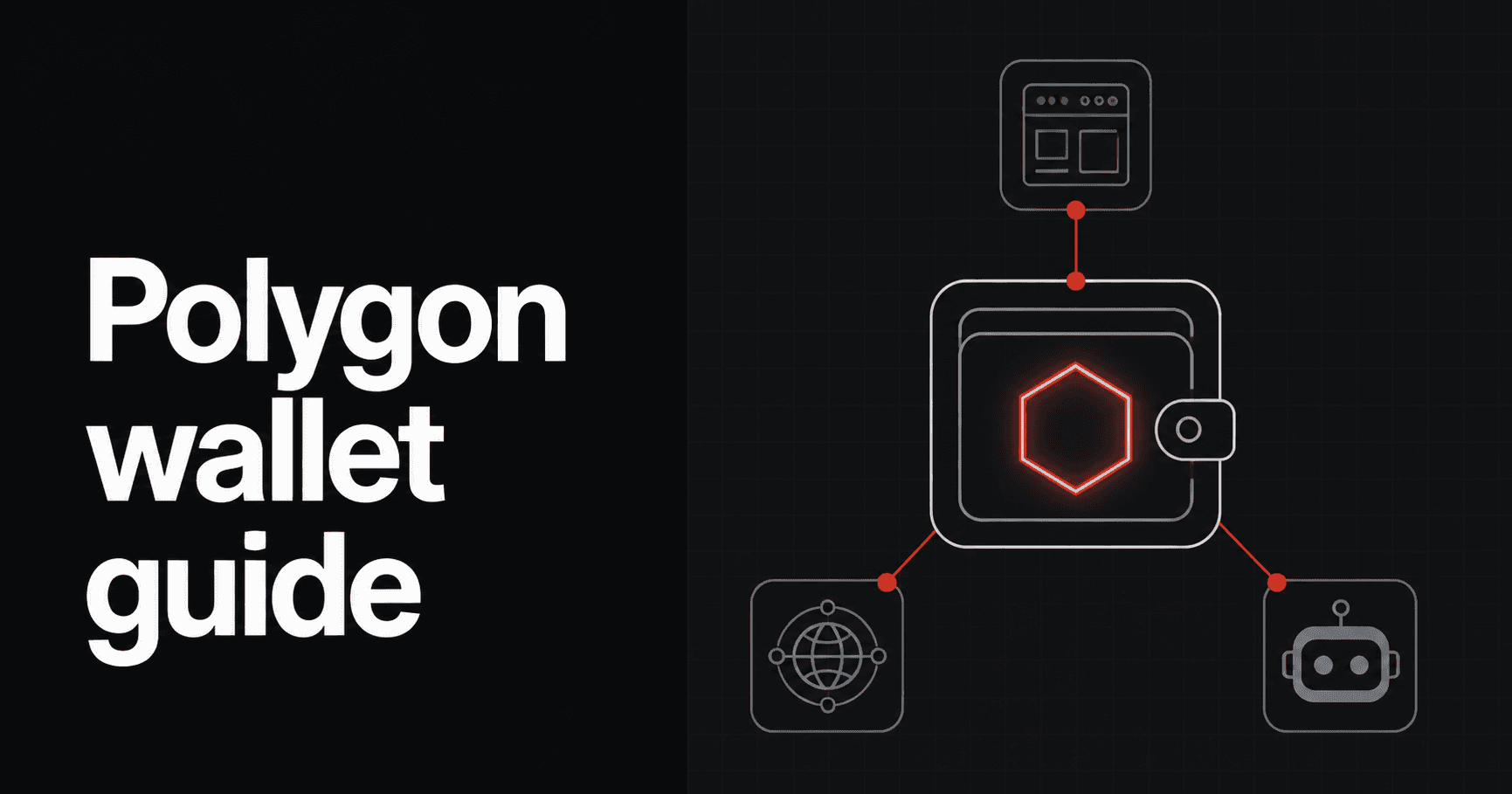
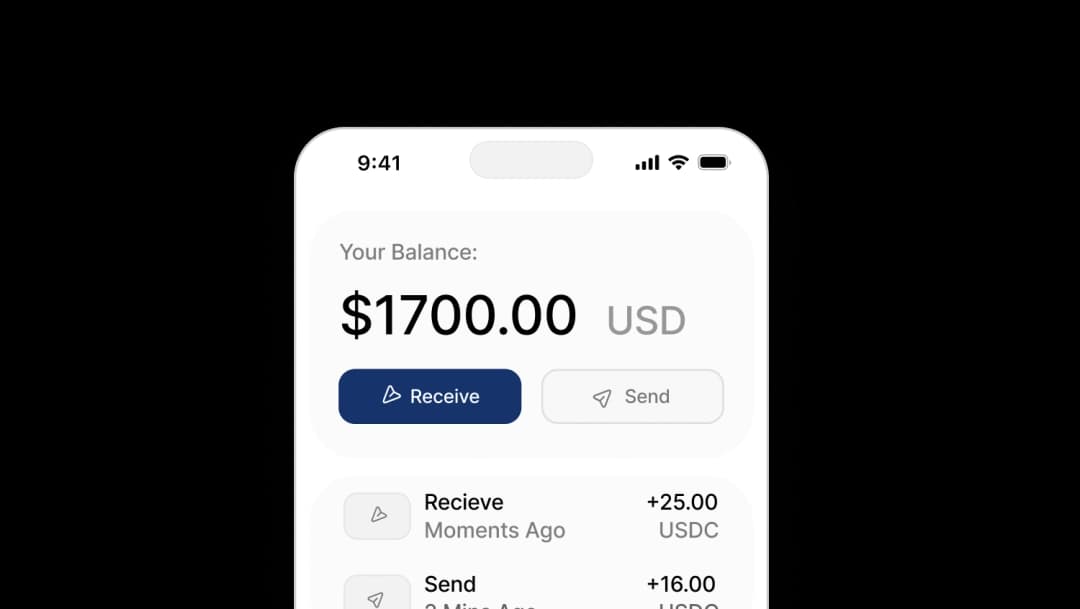
A developer's Polygon wallet is the opposite. It's a primitive you embed: a key-management layer plus an on-chain account your app provisions for every user. There's no extension to install and, ideally, no seed phrase for the user to lose. Your app provisions the wallet, signs within rules you define, and the user just sees your product. That's what an embedded wallet is.
Polygon makes this practical for one boring reason: fees are low enough that sponsoring them is cheap. On Polygon PoS, gas is paid in POL — the network's native token, which replaced MATIC in the token migration. A new user needs POL to transact, and that requirement is exactly the onboarding wall that account abstraction lets you knock down.
The two ways to put a wallet on Polygon
When you decide to add a Polygon wallet, you're really choosing between two shapes of product.
Buy a closed stack. Platforms like Crossmint bundle the wallet with NFT minting, loyalty mechanics, and checkout. If your goal is to ship a digital-collectibles or loyalty program for a brand, that bundle is a fast path — the wallet is a means to the NFT end, and you accept the platform's stack to get there.
Embed a wallet primitive you control. The other shape gives you the wallet layer itself — key management, smart accounts, gas sponsorship, and payment rails — and leaves the product on top to you. You own the custody model, the account-abstraction choices, and the rails. This is the developer-infrastructure approach, and it's what Openfort is built for.
The distinction matters because the two are optimized for different buyers. Crossmint optimizes for brands shipping NFT engagement. Openfort optimizes for developers who need wallet control. Neither is "better" in the abstract — they answer different questions. The rest of this guide is for the second group.
Account abstraction on Polygon: ERC-4337 and EIP-7702
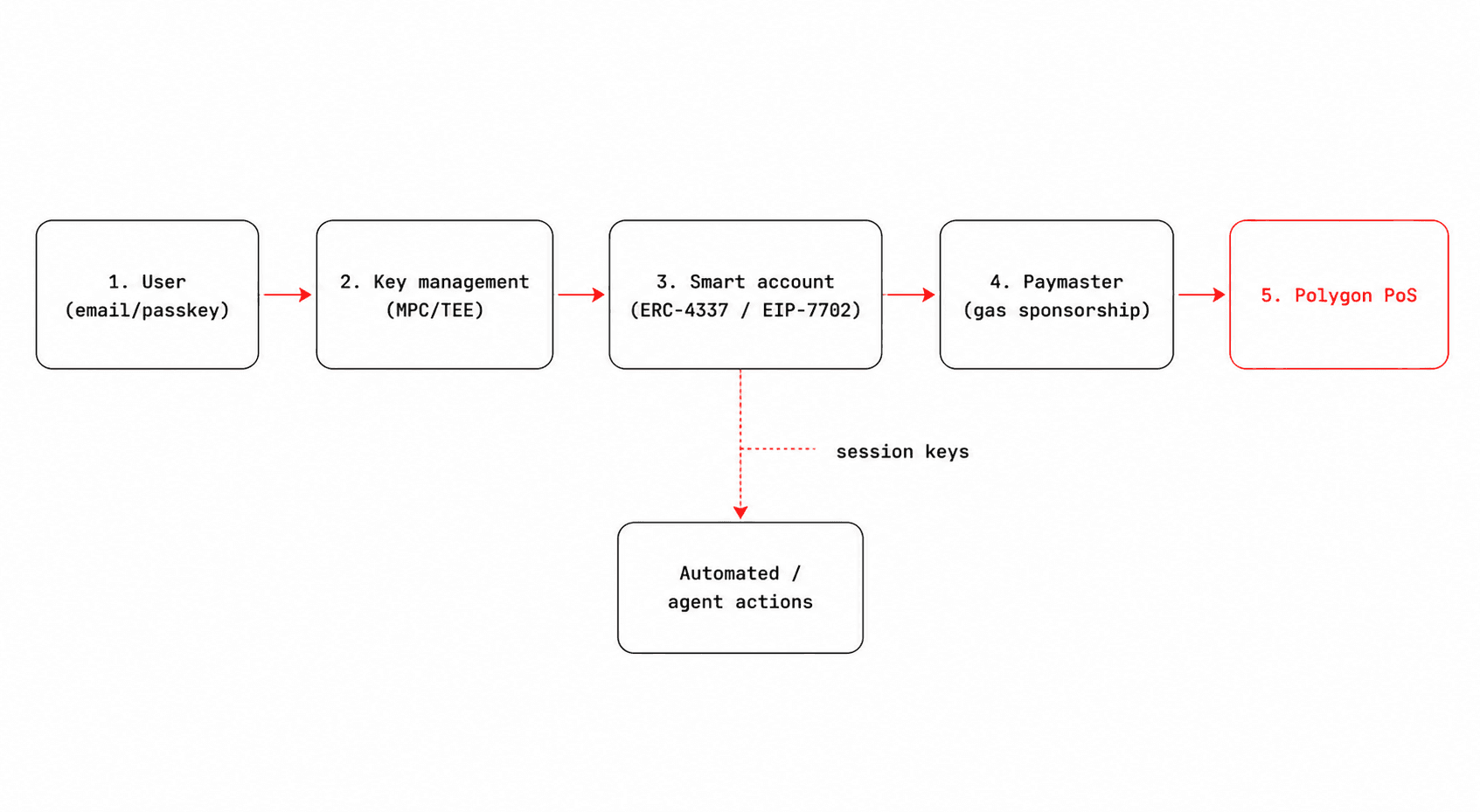
A plain wallet is a key. A smart account is a programmable contract that can enforce rules, sponsor its own gas, and batch actions. Getting from one to the other is account abstraction, and on Polygon you have two routes.
ERC-4337 does it at the application layer, no chain changes required. Three pieces do the work: a bundler packages user operations, a paymaster can pay the gas, and a single EntryPoint contract validates and executes. This is the mature path and the basis of most ERC-4337 wallet providers today.
EIP-7702 is the newer route. It lets an existing externally owned account (EOA) temporarily take on smart-account behavior, and it shipped with Ethereum's Pectra upgrade. On Polygon this means you can give a normal EOA the powers of a smart account — sponsorship, batching, session keys — without migrating the user to a new address.
Session keys are the feature that ties this to real products. A session key is a scoped, temporary signer your app can use to act on the user's behalf within limits — a spending cap, an allowlist, a time window. For games and automated flows, that's the difference between a wallet that needs a click per action and one that can run.
Gas sponsorship — making Polygon wallets gasless
The single biggest UX win from account abstraction on Polygon is gasless transactions. A paymaster covers the POL gas so the user never has to acquire POL before their first action.
You don't sponsor everything blindly. You define a policy: which actions qualify, up to what per-user or per-day limit, for how long. The paymaster enforces it and pays the fee for transactions that match. For a consumer app, that erases the worst onboarding step — "go buy some POL first."
The economics are favorable precisely because Polygon fees are low, so sponsoring a user's early actions costs little.
HTTP 402 and x402: paying from a Polygon wallet programmatically
Here's the capability NFT-first platforms don't lead with, and the one Openfort does.
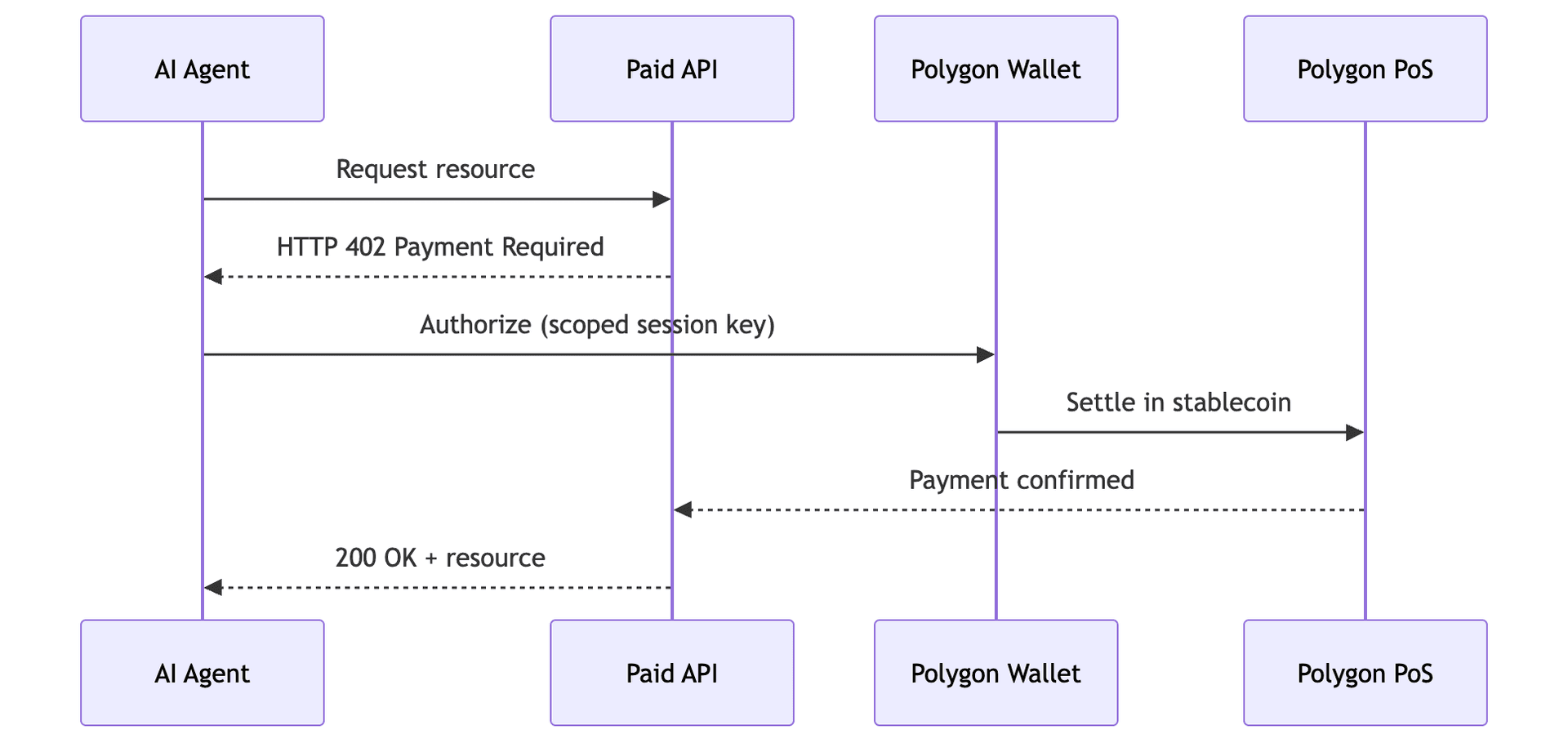
HTTP 402 is the "Payment Required" status code that's been reserved in the web spec for years. The x402 pattern finally uses it: a server responds with 402, the client pays, and the resource is returned — programmatically, with no checkout page. That makes endpoints machine-payable, which is the missing rail for autonomous software.
A Polygon wallet wired for x402 can settle that payment in a stablecoin on Polygon without a human in the loop. An AI agent hits a paid API, gets a 402, and its agent wallet pays from a scoped session key inside the spending limits you set. This is Openfort's distinctive positioning — HTTP 402 and EOA wallet integration for developers — and it's a blind spot for platforms built around NFT engagement.
It's also strategically pointed: "x402 protocol" is itself a query that the NFT-platform cluster touches on the informational side. A Polygon wallet that does x402, documented from the builder's seat, is a more useful answer than a protocol explainer.
Openfort vs. Crossmint for a Polygon wallet
Both can put a wallet on Polygon. They're built for different jobs. This table is fair to both — cells we couldn't verify from public sources are marked so you can confirm before publishing.
| Capability | Openfort (wallet infrastructure) | Crossmint (NFT / loyalty platform) |
|---|---|---|
| Primary focus | Embedded wallet infra for developers | Enteprise use cases |
| Wallet model | Embedded EOA + smart account | Wallet-as-a-service tied to NFT checkout |
| Account abstraction | ERC-4337 + EIP-7702, session keys | Smart Accounts and gas support |
| Gas sponsorship | Paymaster policies (gasless) | Included |
| Custody | Non-custodial, on-chain verifiable | Hybrid custody |
| Best for | Developers needing control + agent rails | Brands shipping NFT/loyalty programs |
The honest read: if you want NFT engagement handed to you, Crossmint is a real option. If you want the wallet primitive — control, account abstraction, and machine-payment rails — that's the openfort.io lane. The full breakdown lives on our Openfort vs Crossmint page.
How to choose
Three rules cover most cases:
- You're a brand shipping an NFT loyalty program or collectibles, and you want checkout handled. Use a closed stack like Crossmint.
- You're a developer who needs the wallet to be infrastructure — your custody model, your account-abstraction choices, gasless UX, session keys. Use a wallet primitive like Openfort.
- You're building agents or programmatic payments that need to pay for APIs or settle in stablecoins on Polygon. You need x402 / HTTP 402 support, which points to Openfort.
If you're in the second or third group, the next step is the docs, not a sales call. Start building an embedded Polygon wallet or see how it settles payments in our stablecoin payment infrastructure overview.
FAQ
The questions below are also emitted as structured data, so they're eligible for FAQ rich results.
What is a Polygon wallet? An account that holds assets and signs transactions on Polygon. For developers, it's embeddable infrastructure rather than a consumer app.
Is POL the same as MATIC? POL is the native gas token that replaced MATIC. Users pay fees in POL on Polygon PoS.
Can a Polygon wallet be gasless? Yes — with account abstraction and a paymaster, your app sponsors the POL gas so users don't need to hold it.
How does it handle HTTP 402 / x402? A wallet wired for x402 settles machine payments in stablecoins on Polygon with no human in the loop.
Related reading
- Openfort vs Crossmint — the full head-to-head
- Embedded wallets — the pillar this guide spokes from
- Best Ethereum wallets for developers
- Best Solana wallets for developers