Merit Circle's Beam, a pioneering gaming platform, and Openfort, a wallet infrastructure solution, are set to transform blockchain gaming. This partnership focuses on interoperability and seamless blockchain integration, creating an interconnected ecosystem that benefits both developers and players.
| Challenges | Solutions |
|---|---|
| - Limited cross-game interoperability and non-player centric environments in traditional platforms. - Current platforms lack a quality user experience and aren't tailored for gaming. - Most players don't benefit from generic wallets. | - Merit Circle uses Openfort's technology to build a community-focused ecosystem with high cross-game interoperability. - Openfort's technology addresses these issues by offering a superior, gaming-focused solution. - Openfort provides a more personalized and rewarding wallet experience for players. |
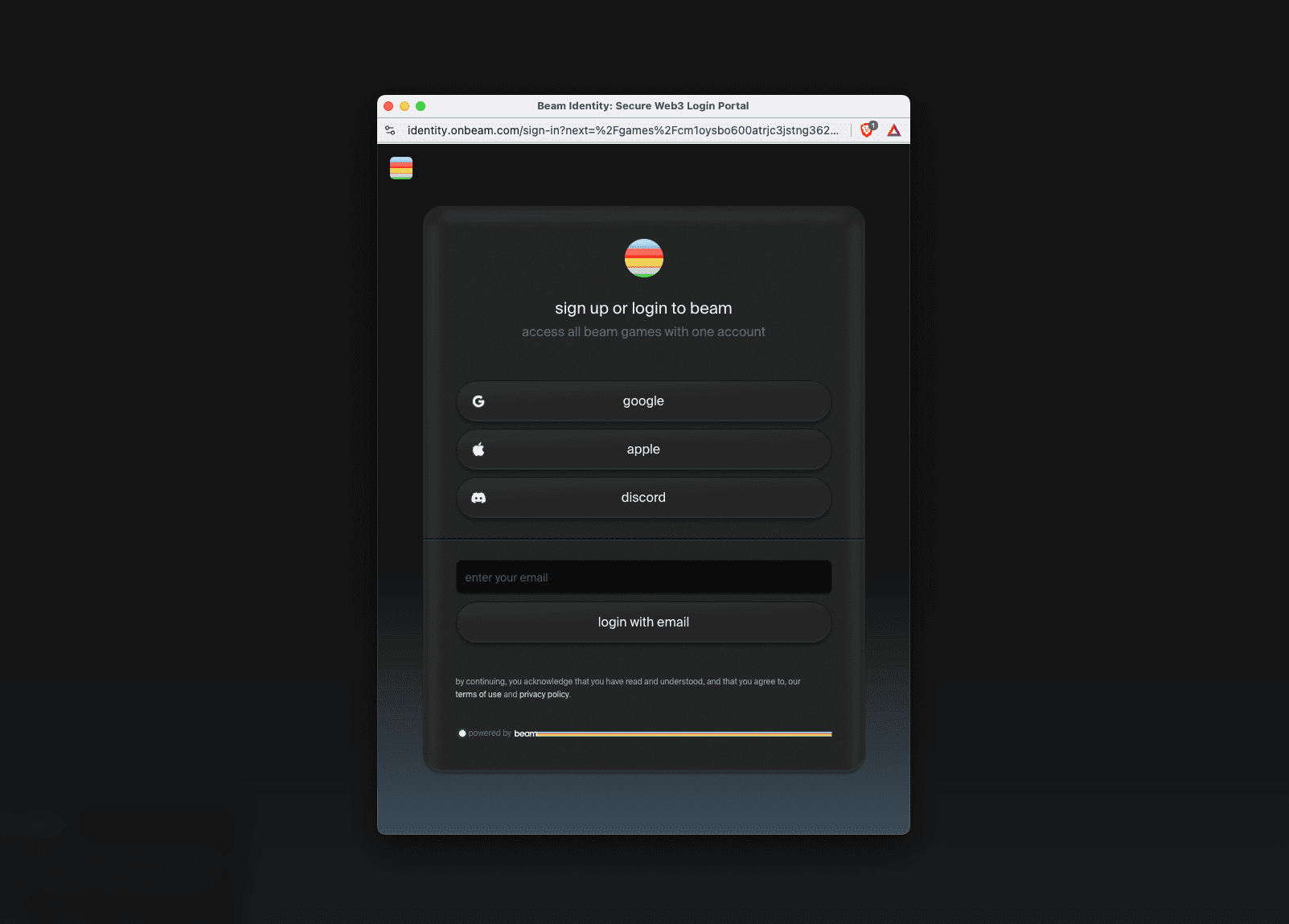
What makes Openfort stand out?
Openfort's Ecosystem SDK brings cross-app wallets to the masses, by the fraction of a cost. This approach allows for a more customized and developer-friendly environment. Additionally, Openfort's commitment to innovating and advancing the concept of account abstraction for gaming presents new possibilities for developers, making it a unique proposition in the market.
| Alternative solutions and why the partner chose Openfort | |
|---|---|
| Stardust | While Stardust offers a gaming kit, their solution has a high vendor lock and Merit Circle would be limited to new innovations. |
| Sequence | Sequence provides a wallet service for games but it locks you into their ecosystem and would have been more complex to integrate with what Merit Circle has in mind. |
| Web3auth | Web3auth specializes in MPC tech to authenticate users, but it’s not aligned with the gaming business model and comes in expensive at certain volumes. |
| Magic Link | While Magic Link allows easy login through Amazon KMS, it doesn't offer deep integration with smart accounts and transaction management. |
| ImmutableX Passport | Immutable Passport offers identity services on the IMX ecosystem, but it does on the other end lock into the UI of Immutable and need to be on the ecosystem. |
| Why is Openfort better? | 1. Openfort provides a superior, gaming-focused platform tailored to the needs of the gaming community. 2. Openfort's wallet technology offers more personalized experiences and rewards for players. 3. Openfort's deep understanding of blockchain technology and the needs of gaming ecosystem’s makes it an integral partner for Merit Circle. 4. Openfort's innovative approach to smart accounts, player simplicity, and developer first sets them apart. |
"The capacity of Openfort to become a true partner in our developer cycle and integrations is invaluable. They are not just a technology provider but an integral part of our journey towards onboarding more gamers into Web3 experiences,” - Brandon, CTO of Merit Circle.
What is the Beam Subnet?
Beam is an open-source blockchain network specifically for gaming. Built on the Avalanche network as a Subnet, Beam allows developers to launch games with custom rules, low fees, and high performance. By partnering with Openfort, Beam ensures that players can navigate this ecosystem without the technical hurdles usually associated with crypto.
The $BEAM token is accessible and usable across different games, supporting an inclusive gaming ecosystem. A key technical advancement is the interoperability between games, allowing developers to use their own smart contracts and integrate with existing products like Sphere.
Smart Accounts
What it is: Smart Accounts (based on the ERC-4337 standard) are programmable wallets that offer a richer gaming experience.
Why it's important for games: Beam uses Openfort's Smart Accounts to give users more flexibility and security. Developers can choose from various configurations, such as Token Bound Accounts (ERC-6551) and social recovery, without forcing players to manage complex seed phrases.
Multi-Chain Account Support
What it is: Multi-chain support allows users to manage multiple blockchain accounts through a single interface.
Why it's important for games: In a growing ecosystem, games may operate on different blockchains. This feature allows Beam to expand into new chains while maintaining a consistent experience for players.
Gas Sponsorship and Policy Rules
What it is: Gas sponsorship allows developers to pay for transaction costs on behalf of their users.
Why it's important for games: High transaction fees are a major barrier for new players. By sponsoring these fees, Beam makes it easier for users to buy items or transfer assets by using the native $BEAM token behind the scenes.
Invisible Blockchain Interactions
What it is: This feature removes constant pop-ups during gameplay, creating a "pop-upless" experience.
Why it's important for games: Constant interruptions break immersion in fast-paced games. By using temporary keys, Beam has the authorization to interact with the blockchain on the player's behalf for a limited set of actions.
What future features will Openfort support?
-
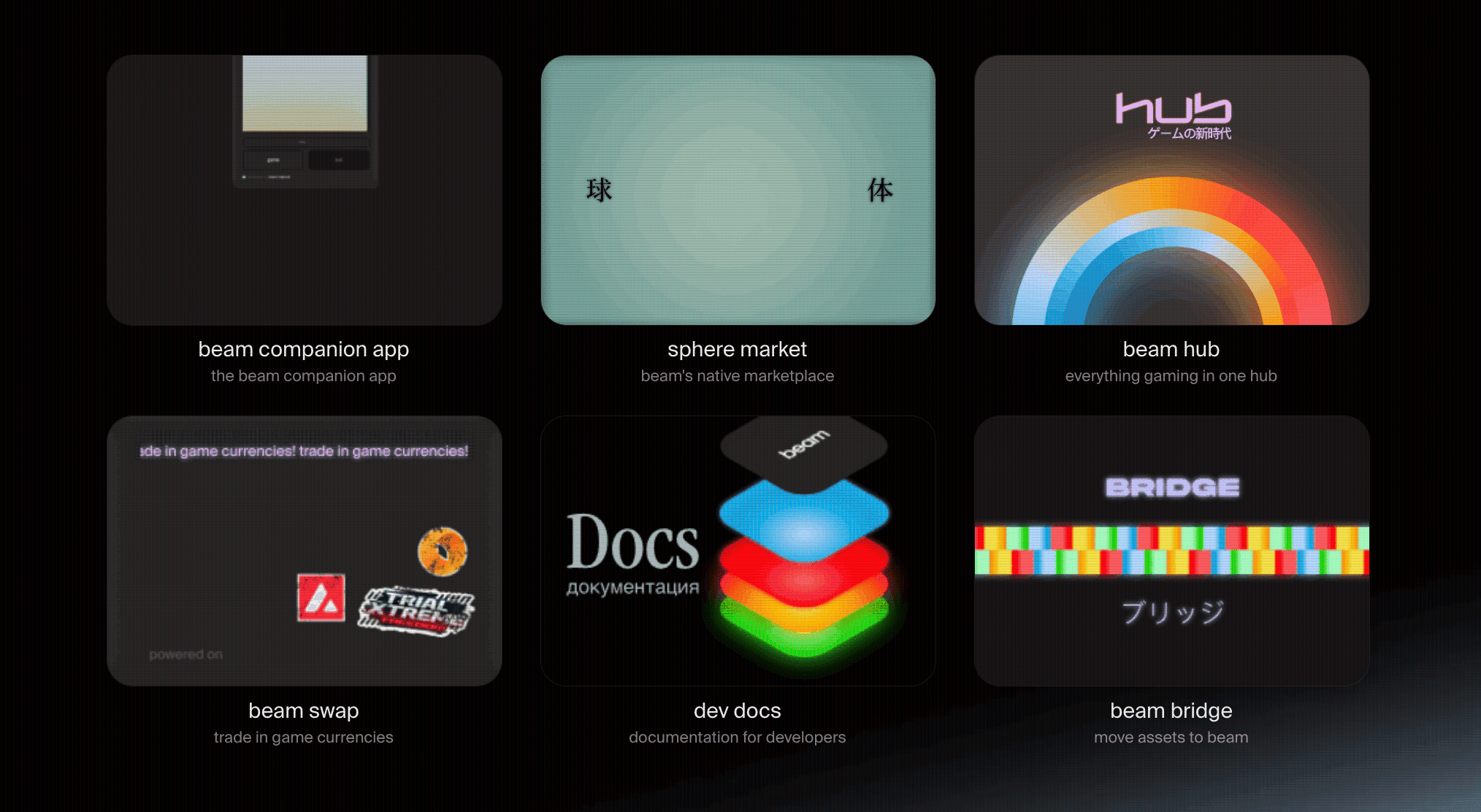
Release of the Beam companion app. Allowing players features like transferring assets, buying / listing on Beam marketplace through the app and asset swaps. The app will also include Vaults, which will be a self-custodial account for users to interact with their assets.
-
Onramp/Offramp for games. Allowing game devs to incorporate FIAT payments to their game, either to aquire more game tokens or in-game assets.
-
Onchain subscriptions. Allowing game devs to create subscriptions for their products and other paying mechanisms.
Related reading
- Beam's cross-app wallet is a pioneering example of the pattern we detail in our explainer on cross-app wallets and how they work.
- The Ecosystem SDK that powers Beam is now in its third version -- read about what changed in Ecosystem Wallets V3.
- For a deeper look at how cross-game ecosystems like Beam are reshaping the industry, see our post on gaming ecosystems and interoperability.