Wallets, the cornerstone of blockchain transactions, have been a part of the crypto landscape since the inception of Bitcoin. Originally designed as a tool for holding keys and managing transactions, wallets have evolved significantly over the years. However, their foundational design and architecture have remained largely unchanged. Today, we're on the brink of a new era, one that calls for a reimagining of what wallets can be.
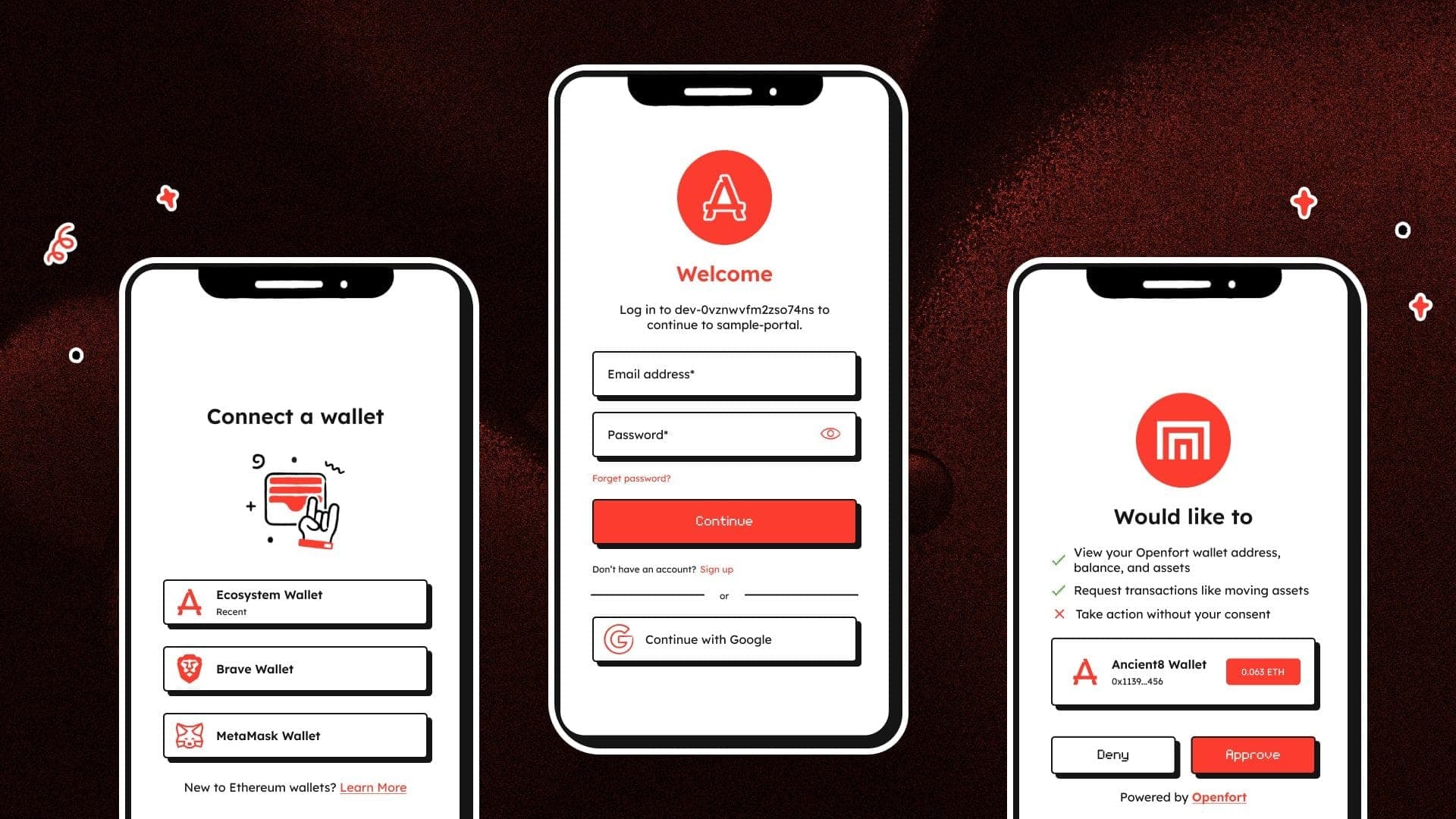
From their start as simple tools for holding BTC, wallets have evolved significantly. Today, they are portals to many applications—from trading tokens to playing games like Axie Infinity.
As the industry grows, wallets are becoming identity managers. We're seeing a shift toward "vertical wallets" where protocols own the entire wallet stack for their specific users. Wallets are also transforming into super-apps or decentralized browsers, adding new utility to the ecosystem.
What is Modular Wallet Architecture?
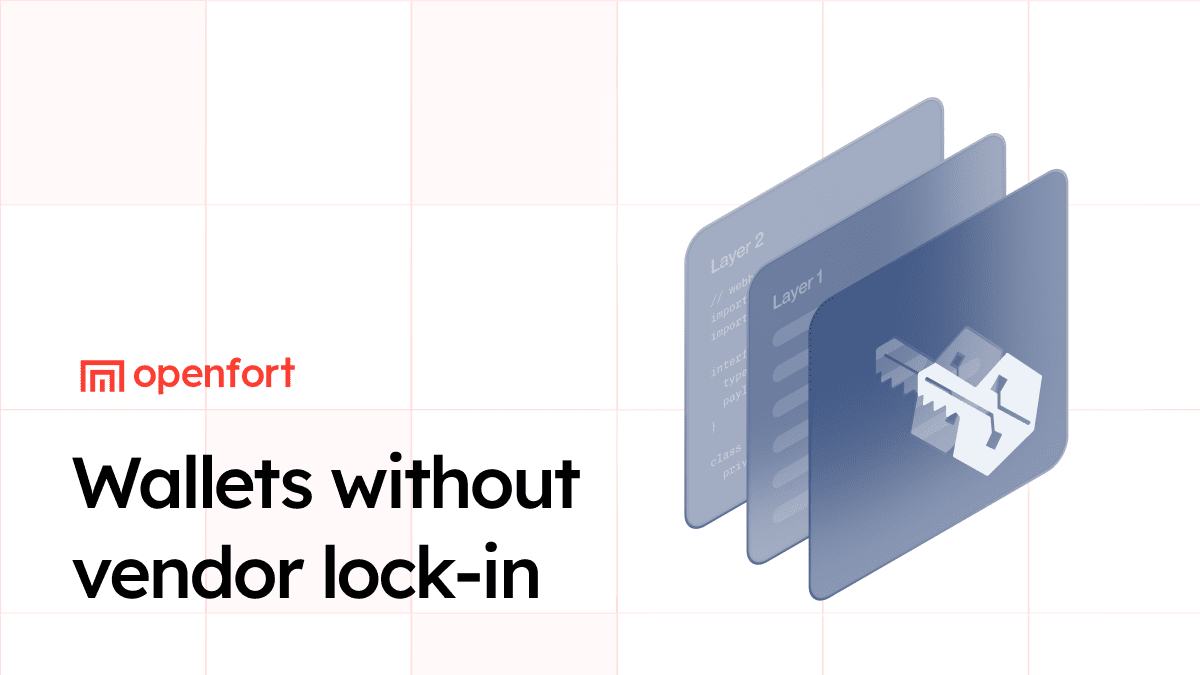
Modular wallet architecture is a design approach that separates wallet functions into independent, interchangeable components. Instead of a single "monolithic" app that handles everything, a modular system allows developers to pick and choose features like authentication (Passkeys, Social Login), signing logic (MPC), and account logic (Smart Accounts). This makes wallets easier to scale and customize for specific industries.
What are Vertical Wallets?
Vertical wallets are purpose-built wallet solutions tailored for a specific niche, such as gaming, DeFi, or e-commerce. By unbundling the general-purpose "one-size-fits-all" wallet, developers can create more seamless, integrated experiences.
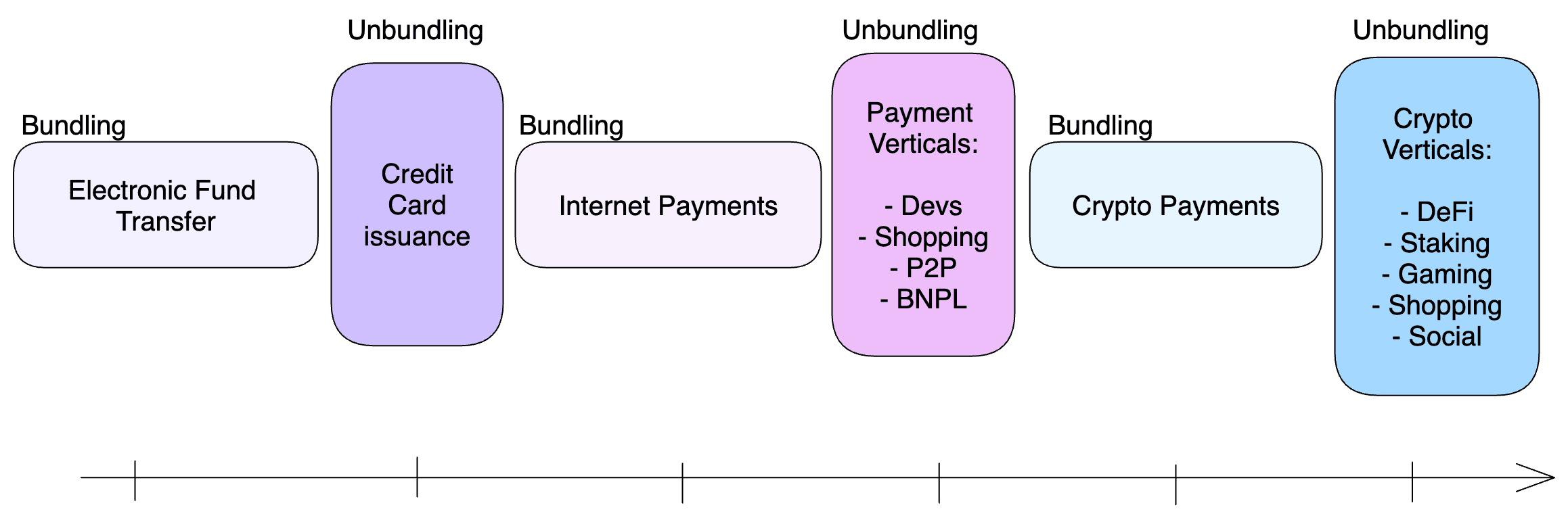
We are witnessing the rise of these specialized products, similar to how digital payments evolved from a few major players into a diverse stack of specialized payment companies. Technologies like MPC (multi-party computation) and Account Abstraction (AA) allow the industry to finally catch up with the UX standards of traditional marketplaces and social networks.
This shift forces us to rethink the user's first entry point into crypto. While protocol-level problems are being solved, we need infrastructure and middleware that can hide these complexities from both users and developers.
Enabling Vertical Wallets at Scale
To meet the demands of this new era, wallets will need to evolve in several key ways:
-
Support and Abstraction for Multiple Verticals: Wallets must be able to cater to a variety of use cases and industries, providing the necessary abstraction to make crypto accessible to all.
-
High Capacity and Programmable Permissions: Wallets must be capable of generating thousands of wallets and handling millions of transactions per second (TPS), all while offering programmable permissions.
-
Accessibility via APIs and SDKs: To ensure seamless integration and usage, wallets must be accessible via APIs and SDKs.

A Time of Excitement and Innovation
We're arguably in the most exciting time to build in the crypto space. We can finally move from trying to do it all to developing real infrastructure categories that will support the creation of meaningful products. It's about time we embraced the potential of modular wallet architecture and the opportunities it presents for enabling vertical wallets at scale.