As blockchain technology and artificial intelligence (AI) converge, a new frontier is emerging: onchain AI agents. These autonomous programs, capable of tasks from algorithmic trading to launching tokens, are redefining how we interact with decentralized networks.
What is an Onchain AI Agent?
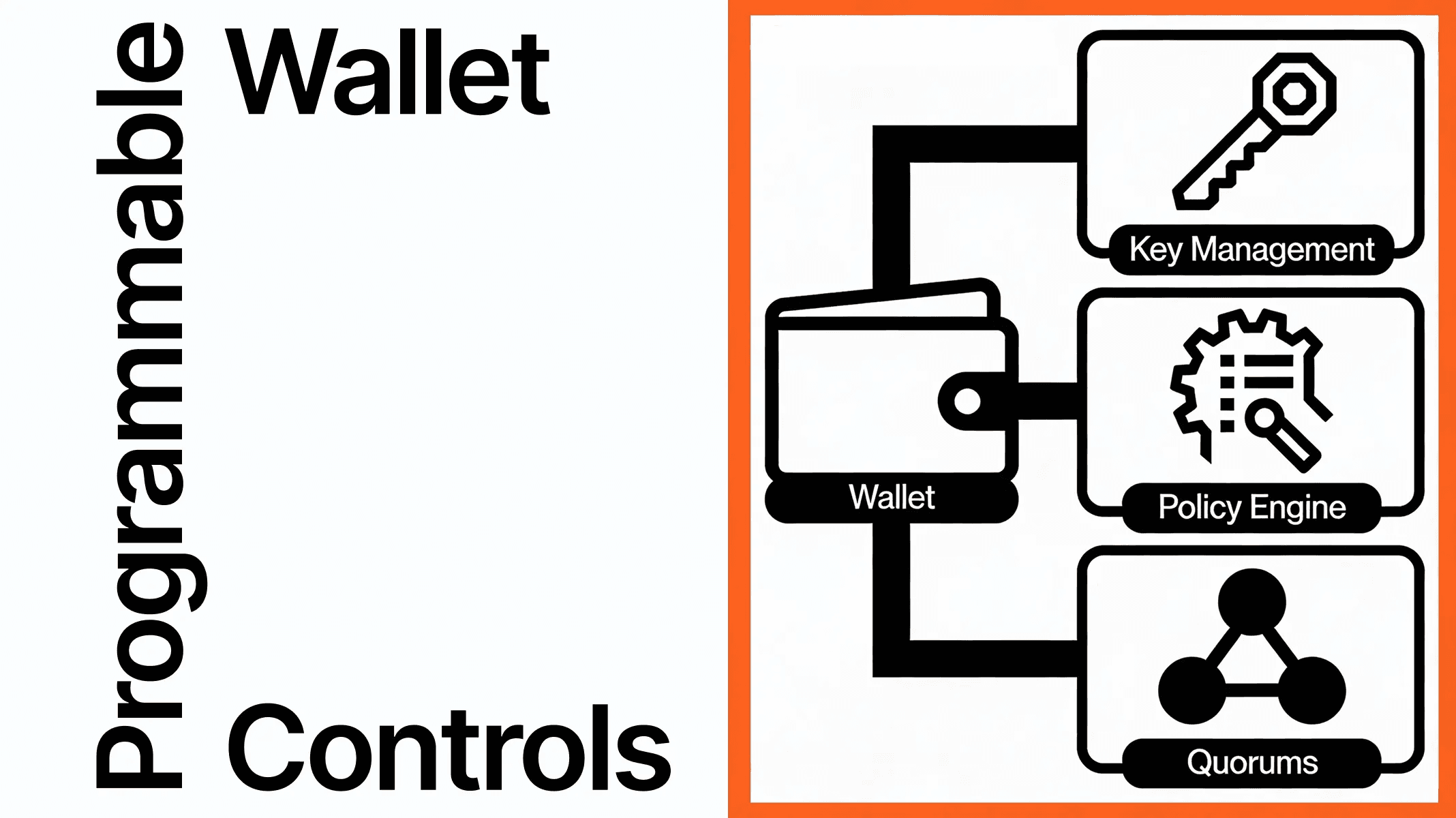
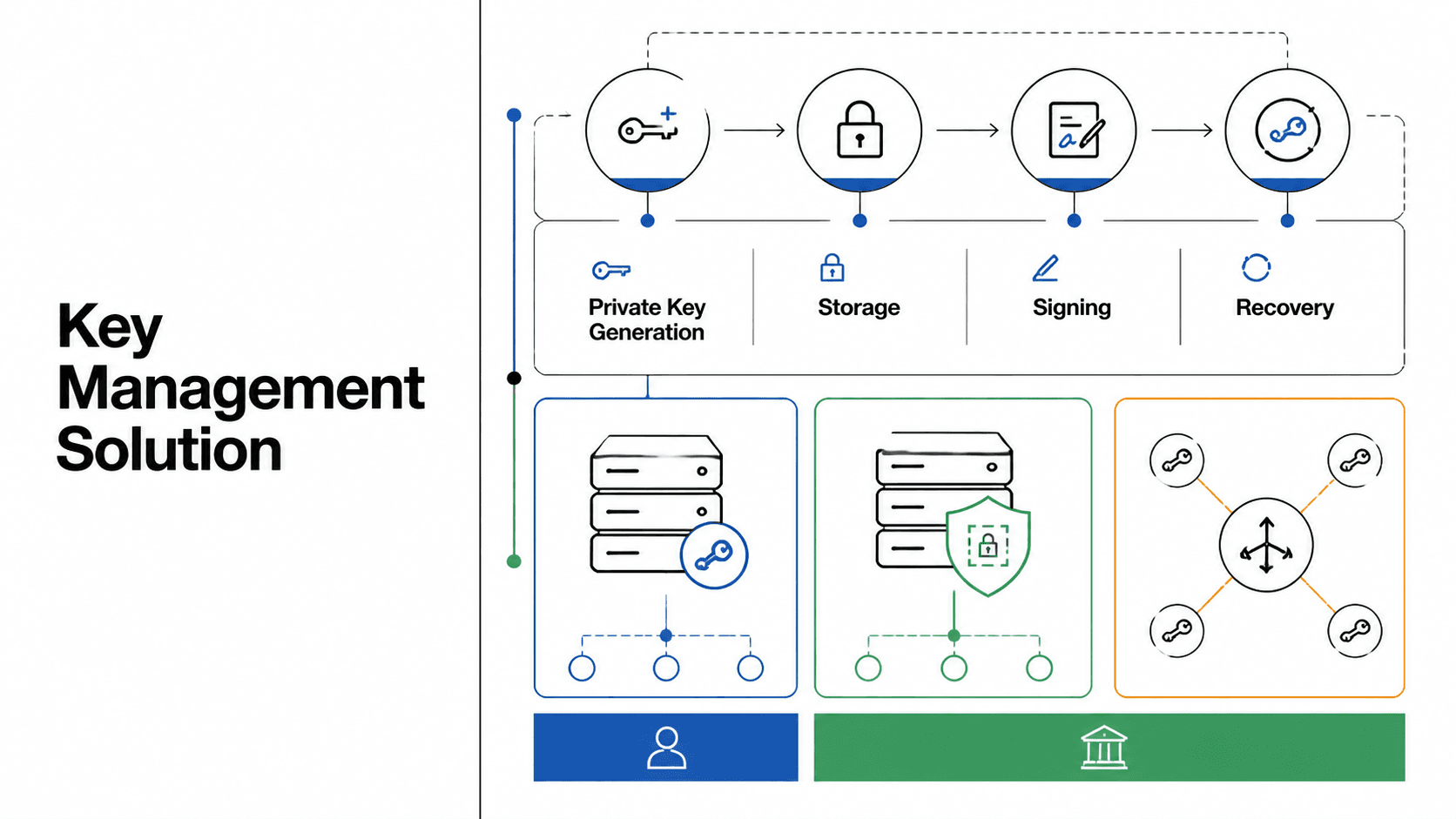
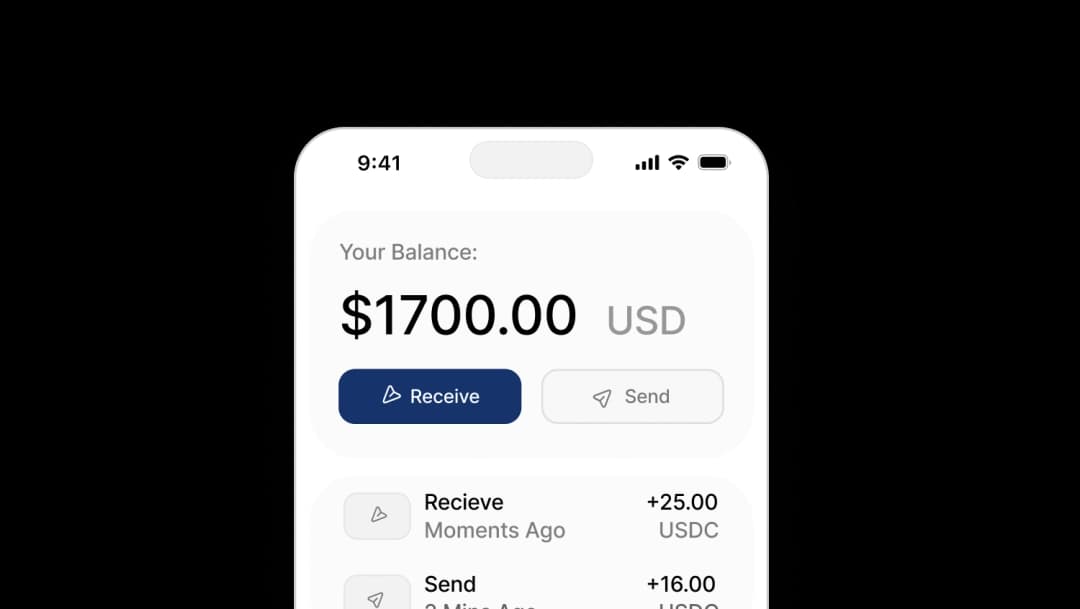
An onchain AI agent is an autonomous program that uses machine learning to make decisions and execute actions directly on a blockchain. Unlike standard bots, these agents can control their own non-custodial wallets, sign transactions, and interact with smart contracts independently. At Openfort, we provide the Backend Wallets and infrastructure needed for these agents to operate at scale, enabling everything from automated DeFi Yield farming to dynamic NPCs in games.
Core Capabilities:
- Autonomy: Agents operate without human intervention, using AI to analyze market data, social sentiment, and onchain metrics.
- Blockchain Integration: They interact with smart contracts through libraries like Web3.js, execute trades, and manage funds across EVM-compatible chains.
- Adaptive Learning: Reinforcement learning models enable agents to refine strategies based on performance feedback.
For example, Truth Terminal’s agent launched $GOAT by analyzing Crypto Twitter trends, deploying a token contract, and autonomously marketing it—actions that would typically require human teams.
Architectural Framework
Onchain AI agents rely on a three-layer architecture to function:
1. Data Input Layer
Agents gather onchain data (e.g., transactions, liquidity pool stats) via blockchain nodes or APIs like Ethers.js. Traditional data, such as social media sentiment or centralized exchange (CEX) prices, is sourced through oracles like Chainlink. For instance, Kaito’s AI agents use Ethereum Attestation Service to rank influential Crypto Twitter accounts based on real-time social engagement.
2. AI/ML Layer
This layer processes data using models tailored for financial predictions:
- LSTM Networks: Analyze time-series data (e.g., price trends).
- Reinforcement Learning: Optimize trading strategies through trial and error.
- Natural Language Processing (NLP): Interpret social media sentiment or user instructions.
Platforms like ElizaOS allow developers to mix AI models, such as OpenAI’s GPT-4 with blockchain-specific LLMs like Nebula, which is trained on data from 2,500+ EVM chains.
3. Blockchain Interaction Layer
Agents execute decisions by interacting with smart contracts. They handle transaction signing, gas optimization, and nonce management. Advanced agents, such as Griffain’s trading bots, use MEV protection tools like Jito Labs to avoid front-running.
Transformative Use Cases
1. Autonomous Trading and Portfolio Management
AI agents like Kaito and Axal monitor cross-chain liquidity, identify arbitrage opportunities, and rebalance portfolios. For example:
- Trend Following: Agents buy tokens trending on DexScreener or Birdeye.
- Risk Mitigation: Auto-liquidation triggers if collateral ratios drop below thresholds. Virtuals Protocol’s "Luna" agent autonomously commissions real-world artists to grow her online following while managing a crypto treasury.
2. DeFi Optimization
Agents maximize yields by shifting stablecoins between protocols like Aave and Compound based on real-time APYs. Projects like Olas deploy agents to manage collateralized debt positions (CDPs), automatically repaying loans to avoid liquidations.
3. Memecoin Launches and Promotion
AI agents have democratized memecoin creation. Bankr agents mint tokens, create liquidity pools, and promote them via X bots. The $GOAT phenomenon showcased how AI-generated hype could drive billion-dollar valuations.
4. Onchain Gaming
In games like AI Arena, agents act as NPCs that trade in-game assets or form alliances. Holoworld agents grind for rare NFTs, enabling players to earn while offline.
Benefits of Onchain AI Agents
Hyper-Efficiency
Agents execute trades in milliseconds, capitalize on fleeting arbitrage windows, and optimize gas fees by bundling transactions during low-network congestion. For instance, Cainam Ventures’ AI agents on Solana process 700,000+ monthly transactions using VWAP orders and MEV protection.
24/7 Availability
Unlike human traders, agents monitor markets nonstop. ElizaOS-powered agents analyze GitHub commits, governance proposals, and CEX order books around the clock.
Democratized Access
Platforms like Virtuals Protocol let users create agents via natural language prompts, bypassing coding expertise. Over 140,000 users hold agent tokens, participating in revenue-sharing models.
Challenges and Solutions
1. Scalability Limitations
Most Layer 1 blockchains (e.g., Ethereum) struggle with AI agents’ high transaction volumes. Solutions include:
- Layer 2 Rollups: Conduit and Mode Network use optimistic rollups to process thousands of agent transactions per second.
- Hybrid Architectures: EigenLayer’s Verifiable Agents perform compute-heavy tasks offchain while recording critical data onchain.
- Wallet Orchestrations: Platform like Openfort offer Backend wallets to coordinate transactions of AI agents at scale.
2. AI Hallucinations and Security Risks
Erroneous predictions or manipulated training data can lead to catastrophic losses. Projects like Modulus Labs use zkML (zero-knowledge machine learning) to verify agents’ offchain computations.
3. Regulatory Uncertainty
Autonomous agents operating across jurisdictions pose compliance challenges. Platforms like ai16z implement geofencing and transaction caps to adhere to regional laws.
Future Outlook
By 2026, analysts predict that 90% of onchain transactions will be agent-driven. Emerging trends include:
- Agent-to-Agent Economies: Olas’ ecosystem already processes 2M+ monthly AI-to-AI transactions, from DeFi swaps to content creation deals.
- Decentralized Physical Infrastructure (DePIN): Aethir’s decentralized GPU network will provide scalable compute power for AI agents.
- Tokenized Ownership: Platforms like Virtuals Protocol allow users to own “shares” of AI agents via tokens, earning dividends from their activities.