Embedded wallets that feel native to your app
Onboard users with familiar login methods and seamless wallet integration. Every wallet is backed by a smart account with built-in connector support. Your app, your flow.
No credit card required • Free testnet accounts
50+ teams use Openfort.10M+ transactions sent by 50+ teams.
Read their storiesSEE WHY TEAMS love Openfort→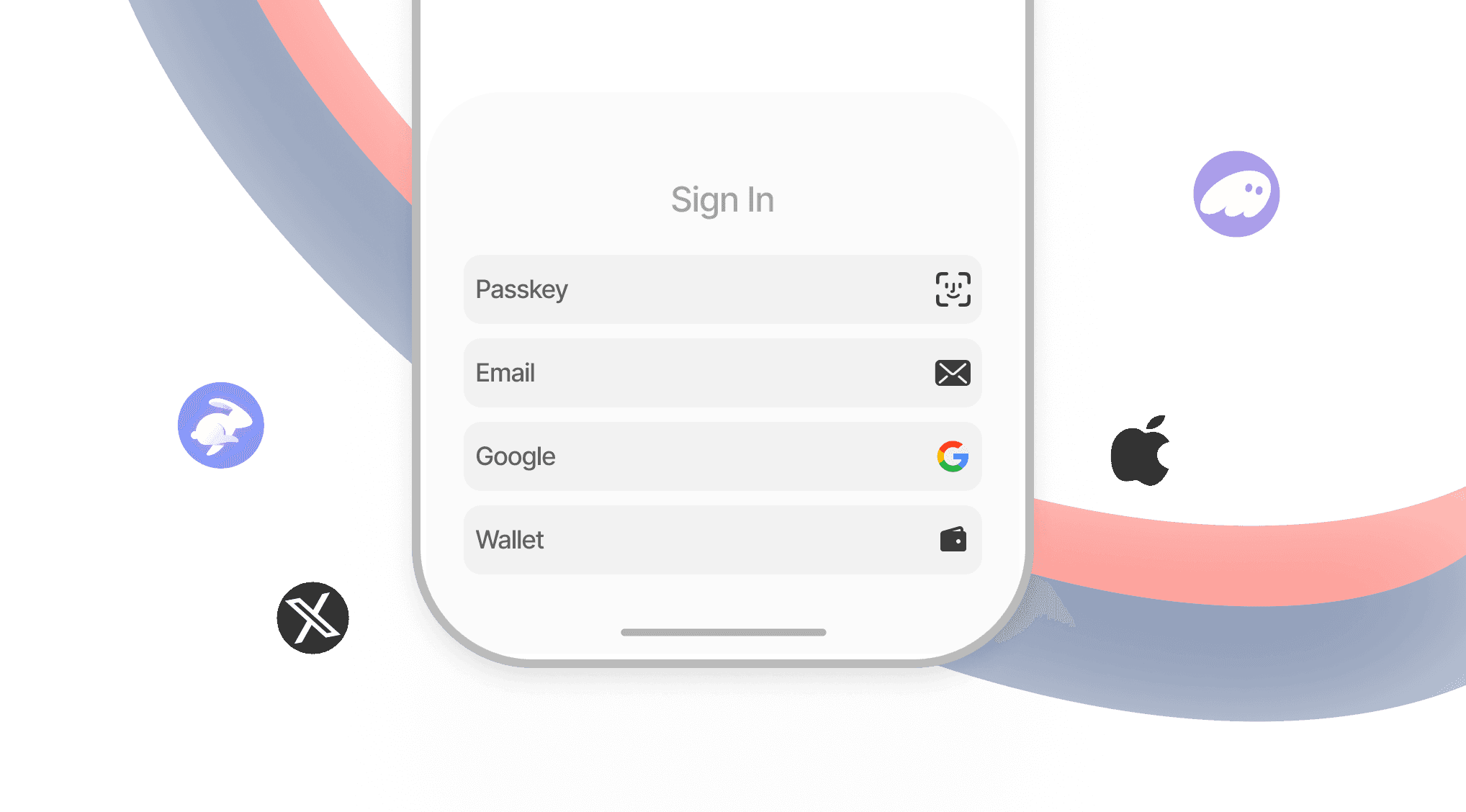
Wallets that live inside your app
No browser extensions or popups. Users sign in with email or social and get a non-custodial wallet instantly—keys managed securely, seed phrases hidden.
Read the docsProgrammable smart accounts with ERC-4337 & EIP-7702
Every embedded wallet is backed by a smart account. Transaction batching, social recovery, and session keys are built in. Upgrade existing EOAs with EIP-7702 or deploy new smart accounts—same infrastructure, your choice.
Read the docs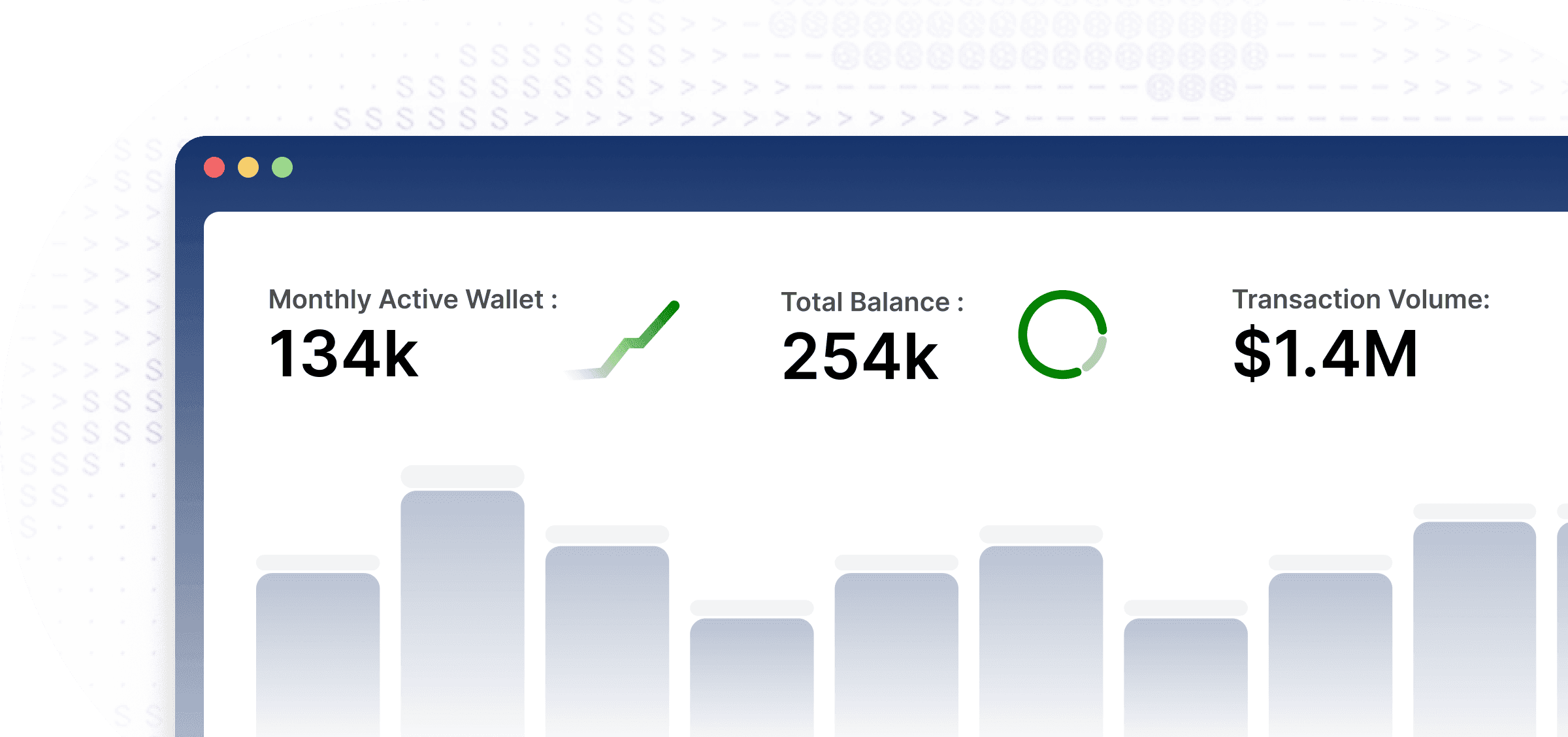
Higher is better (normalized to 100%)
*Updated September 2025
Build your dream product with Openfort
Everything you need to build, scale, and manage your embedded wallet infrastructure.
Non-custodial Signer
Secure user private key with OpenSigner that ensure only the rightful owner can access and sign.
Headless UI
Build custom UIs with headless components that can be styled to match your brand.
Gasless transactions
Create smart accounts with built-in gas sponsorship, session keys, and bundled infrastructure for smooth user experiences.
Onramp Integration
Enable users to easily purchase crypto with integrated fiat onramps.
Permissions
Comprehensive session key solution to create and revoke temporary keys for secure user sessions.
Recipes
Pre-built templates for common use cases like gasless transactions, session keys, and more.
From developers that use Openfort
"Game studio reaches 150K players in 3 months"
From launch to 150,000 active players with seamless onboarding and zero infrastructure headaches.

Moonlit Games
"Augmented reality project used Openfort to kickstart their claiming campaign"
Integrated the Openfort React to help onboard users with familiar login methods and connect their existing wallet via a modern wallet connector.

Particle Ink
"Mobile gaming multi-platform based out of Korea"
From concept to mainnet in two weeks with built-in capabilities for their own blockchain working smoothly both on mobile and website via the marketplace.

Kroma
"Game studio reaches 150K players in 3 months"
From launch to 150,000 active players with seamless onboarding and zero infrastructure headaches.
Moonlit Games
"Augmented reality project used Openfort to kickstart their claiming campaign"
Integrated the Openfort React to help onboard users with familiar login methods and connect their existing wallet via a modern wallet connector.
Particle Ink
"Mobile gaming multi-platform based out of Korea"
From concept to mainnet in two weeks with built-in capabilities for their own blockchain working smoothly both on mobile and website via the marketplace.
Kroma
Build a whitelabel experience on top of Openfort, or customize our out-of-the-box components to optimize conversion.
Web and mobile SDKs
Components that work across mobile and web. No more worrying about how to build a mobile wallet connector.
Fine-grained customization
Customize our out-of-the-box components to optimize conversion.
Full whitelabeling
Build a whitelabel experience on top of Openfort, or customize our out-of-the-box components to optimize conversion.
Learn more about embedded wallets
Deep dive into embedded wallet implementation and best practices
Embedded Wallets Explained (2026 Guide)
Comprehensive guide to understanding embedded wallets, their architecture, and implementation best practices.
Top 10 Embedded Wallets for Apps in 2026
Compare the leading embedded wallet solutions for building Web3 applications.
Building a Passwordless EVM Wallet
Step-by-step guide to creating passwordless wallet experiences using passkeys and modern authentication.
OpenSigner: Vendor-Neutral Key Management
Learn about self-hostable key management that prevents vendor lock-in while maintaining security.
Using Embedded Wallets with React Native
Complete tutorial for integrating embedded wallets into your React Native mobile application.
Passkeys and Account Abstraction
How to combine passkey authentication with smart account features for the best user experience.
Frequently Asked Questions
Can't find your answer?
Embedded wallets are created and managed inside your app rather than through a separate browser extension. With Openfort, keys are split and managed via a secure signer (OpenSigner) and smart wallet contracts, so users never see seed phrases but still get non-custodial control. Your app talks to Openfort’s APIs/SDK, which orchestrate wallet creation, session keys, and transaction signing for you.
Browser extension wallets (like MetaMask) live outside your app and require context-switching, pop-ups, and manual connection flows. Embedded wallets live inside your product: users sign up with email or social login and immediately have a wallet ready to use. Openfort also lets you link both worlds—embedded wallets plus external EOAs—so power users can connect an existing wallet while everyone else gets a seamless embedded experience.
Every Openfort embedded wallet is backed by a smart account (ERC-4337 or EIP-7702). This means wallets get programmable features out of the box: transaction batching, social recovery, session keys, and spending limits. Smart accounts also enable gas sponsorship so users never need native tokens, and they support upgradeability so you can add new features without changing wallet addresses.
With account abstraction, you can sponsor gas for users using a Paymaster so they don’t need native tokens just to move assets. Openfort’s Paymaster handles gas sponsorship and can be combined with embedded wallets so users just see “send 10 USDC,” not “approve ETH for gas.” That’s especially useful for stablecoin payments, gaming microtransactions, and consumer apps where on-chain UX needs to feel like a normal fintech app.
They can be—and Openfort is built to be non-custodial by default. Keys are generated client-side and split into shares; recovery is tied to your login and policies rather than seed phrases. Because OpenSigner is self-hostable, you can migrate infra or providers later without forcing users to change wallets, giving you embedded wallet UX without long-term vendor lock-in.